ADU Design Showcase
Turning housing policy into a public-facing exhibition
Cleveland Heights, OH — December 4, 2024
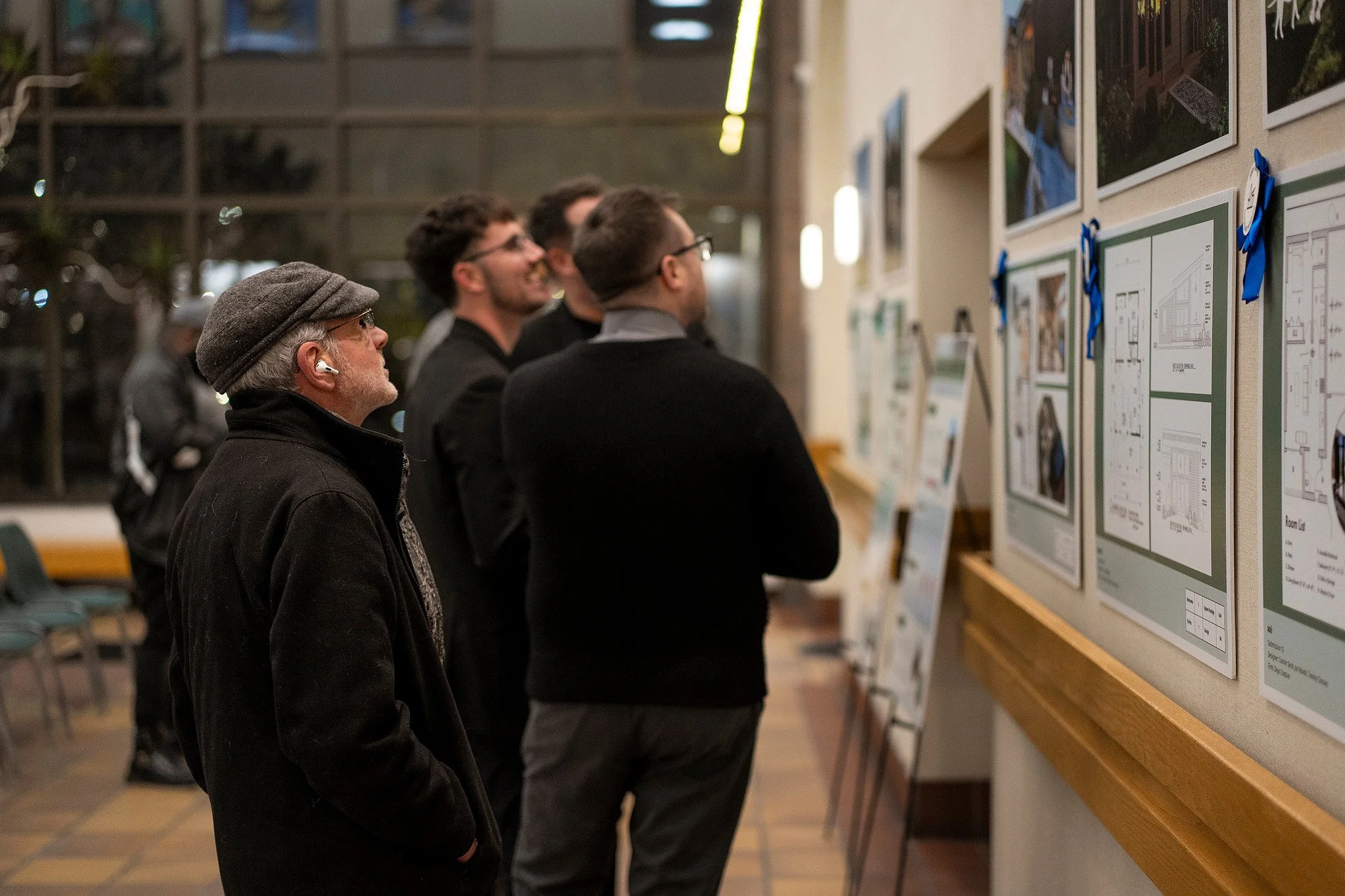
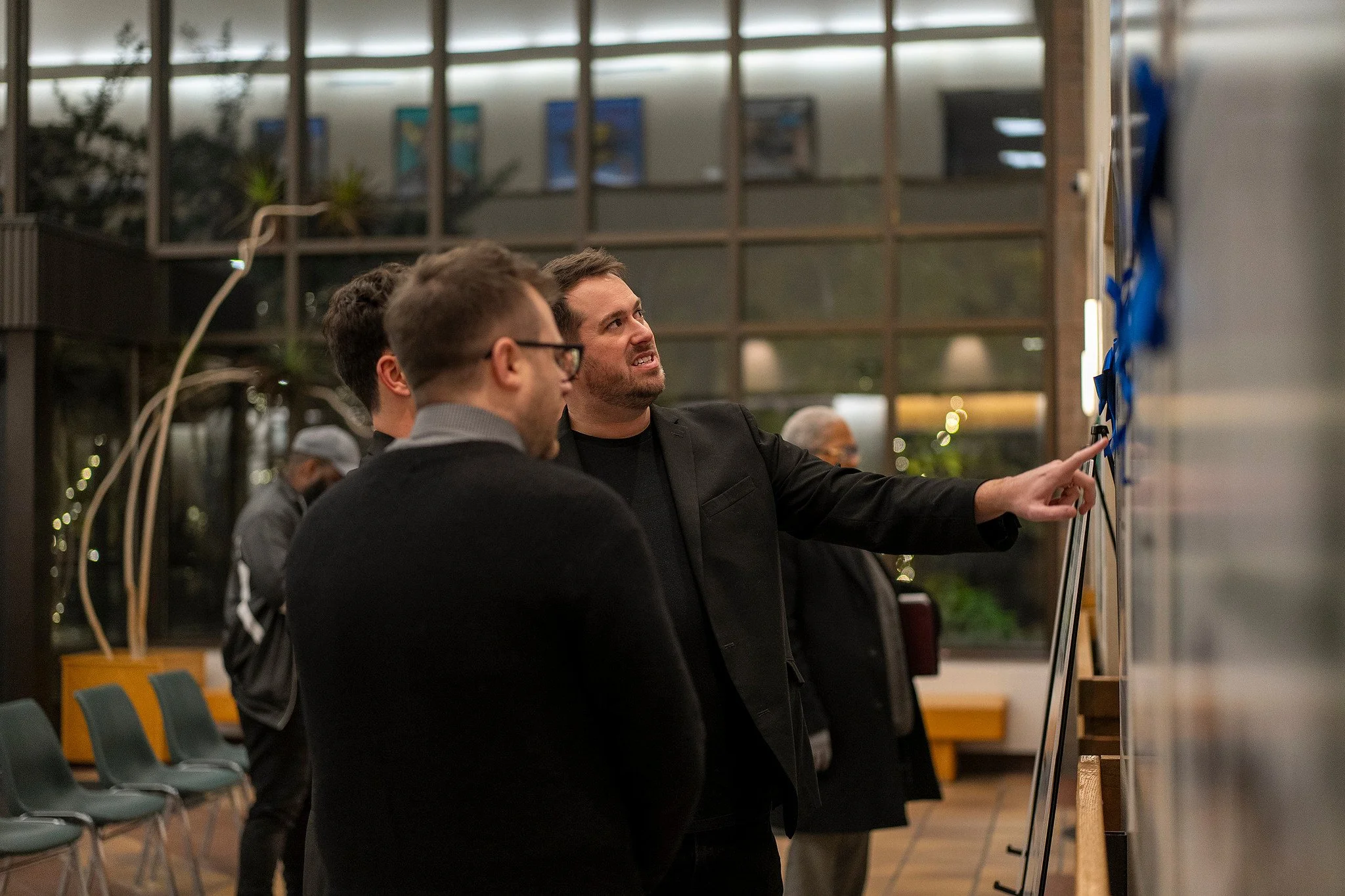
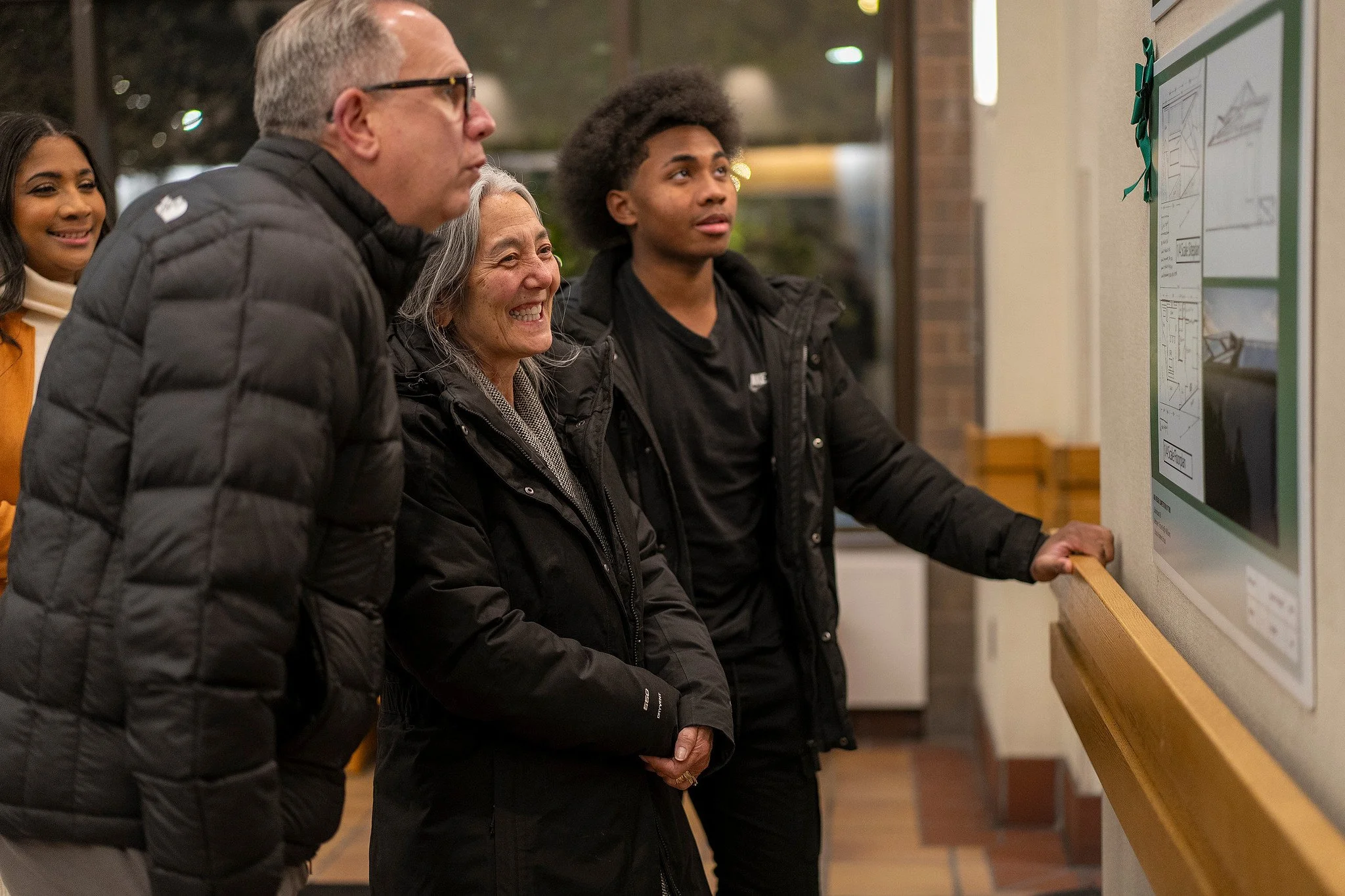
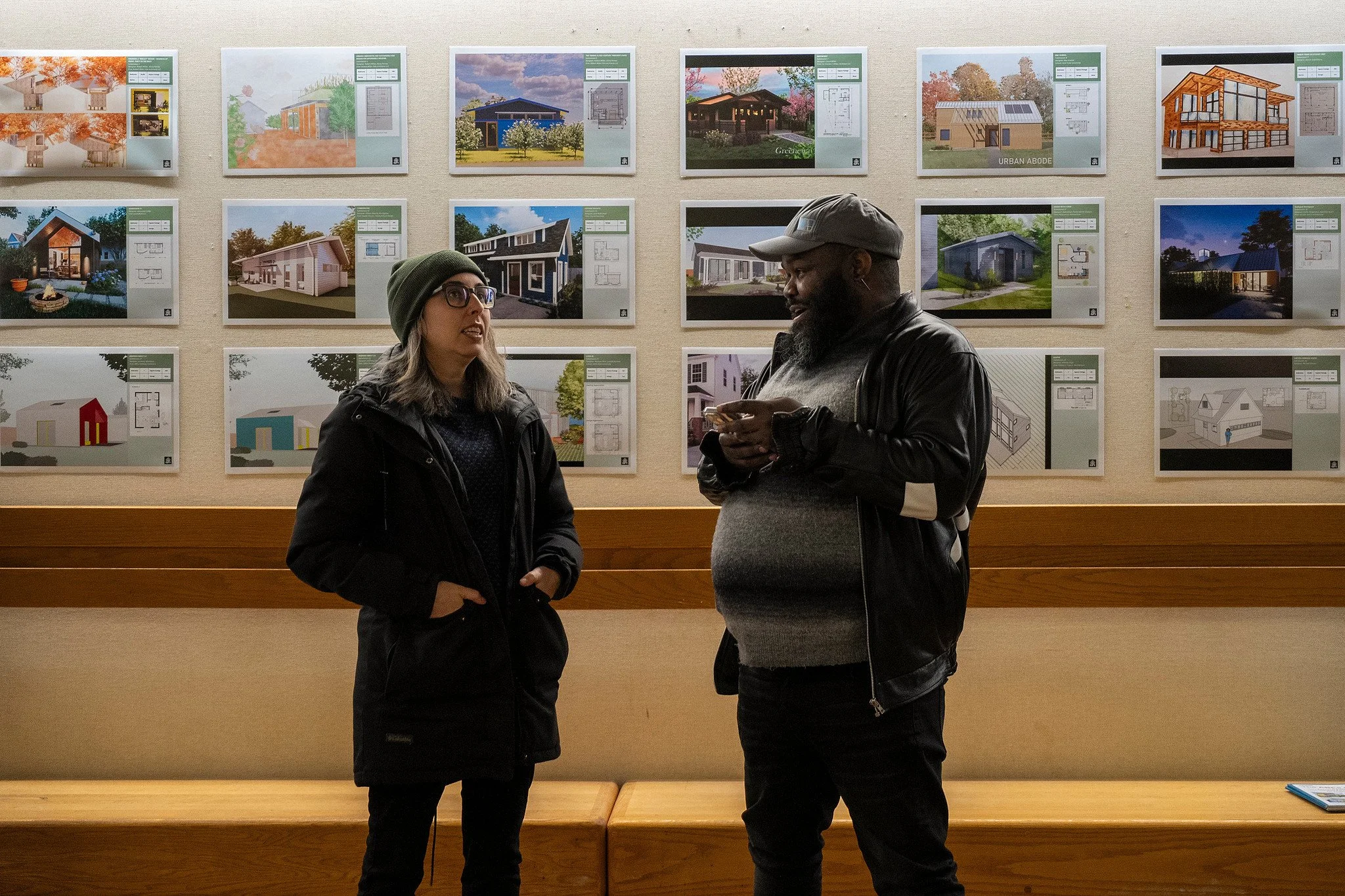
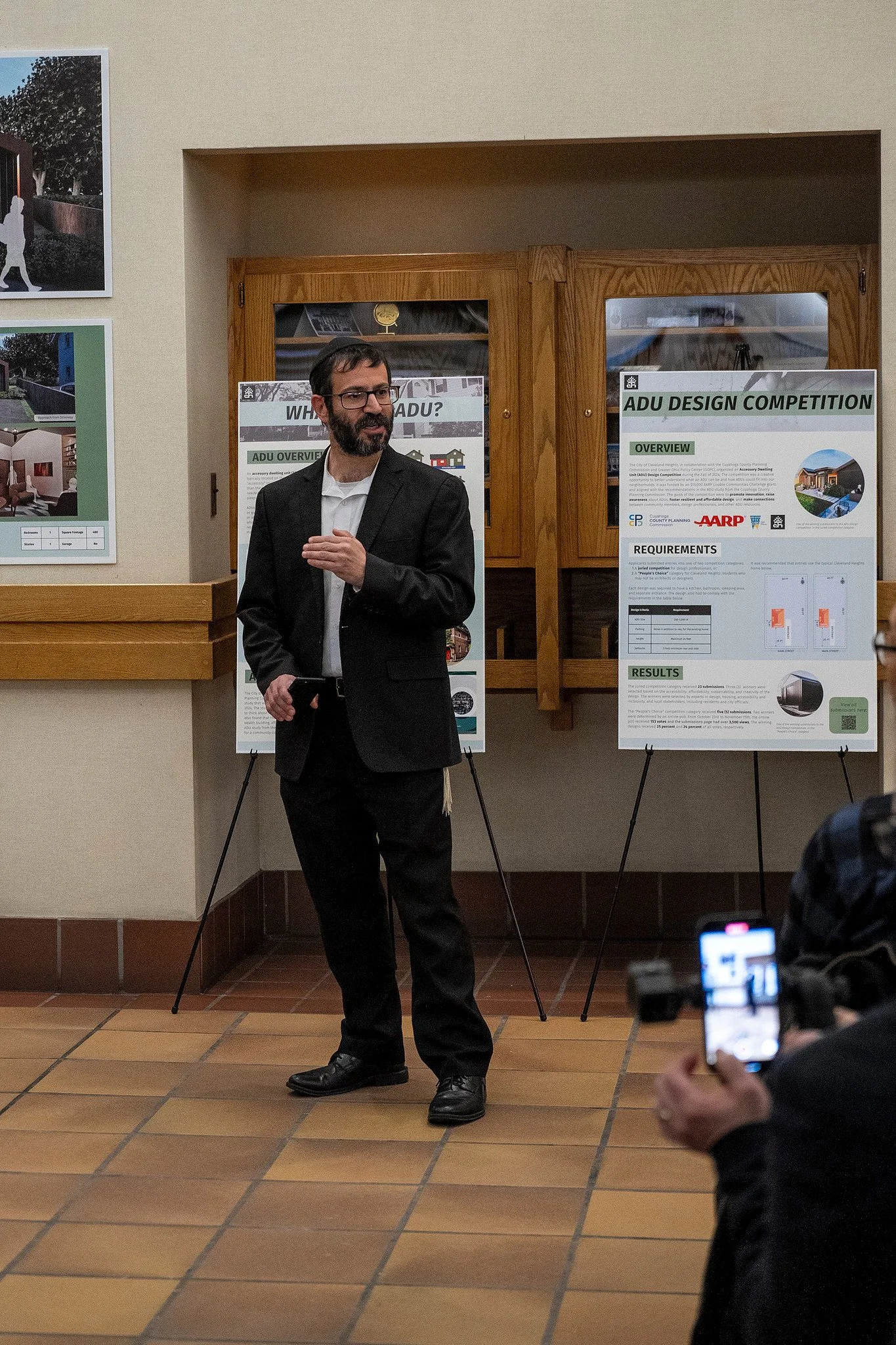
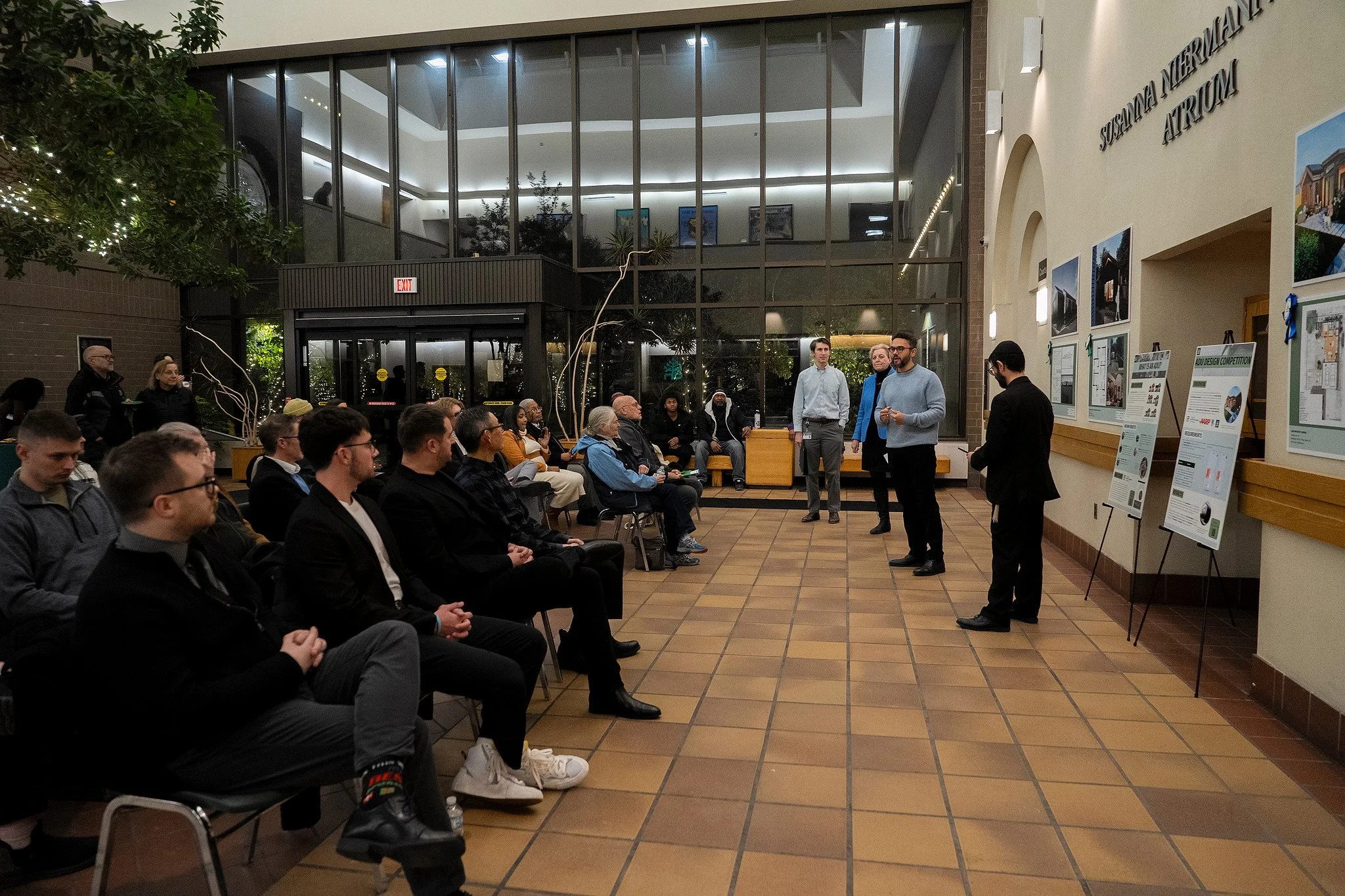
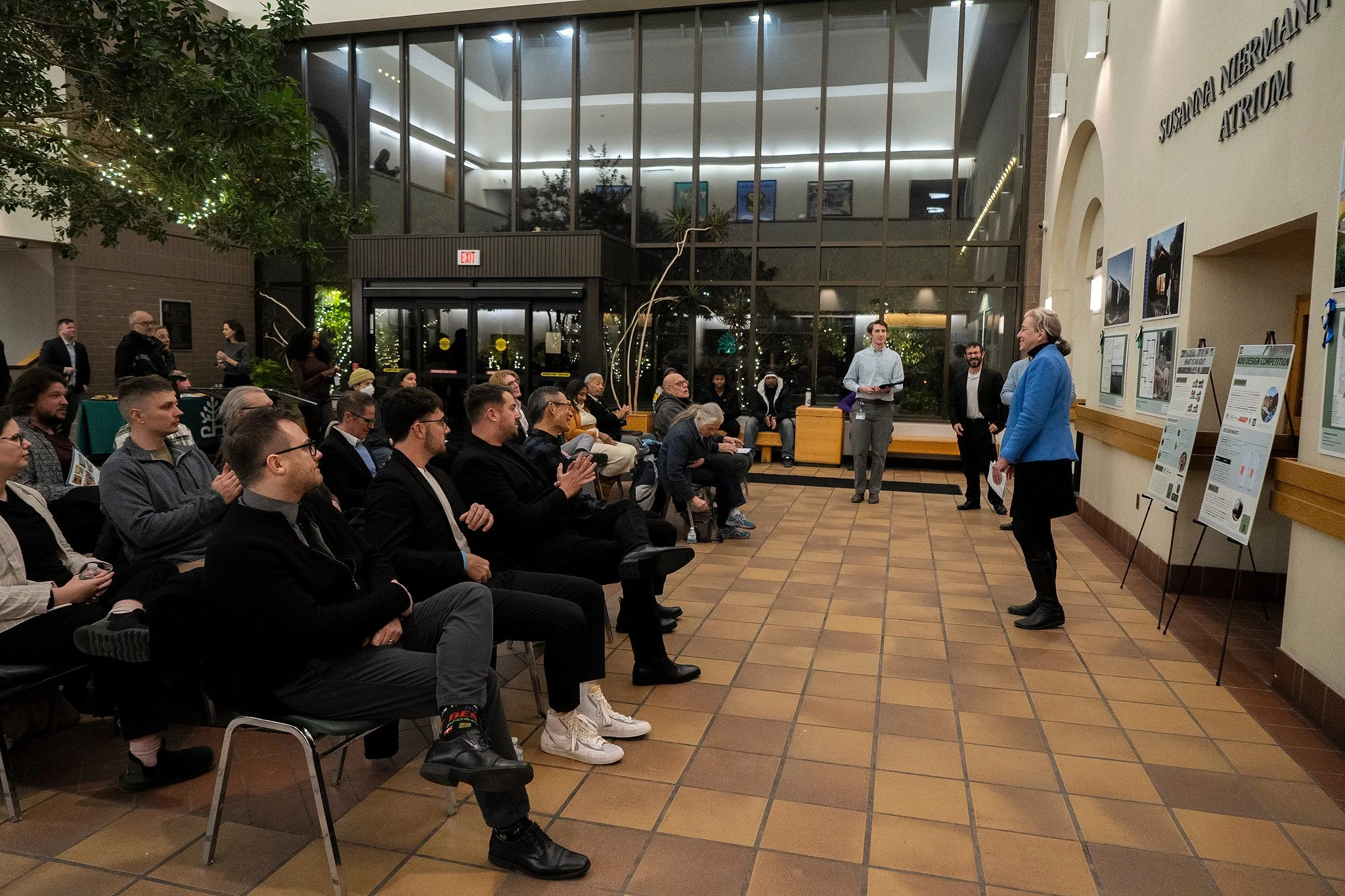
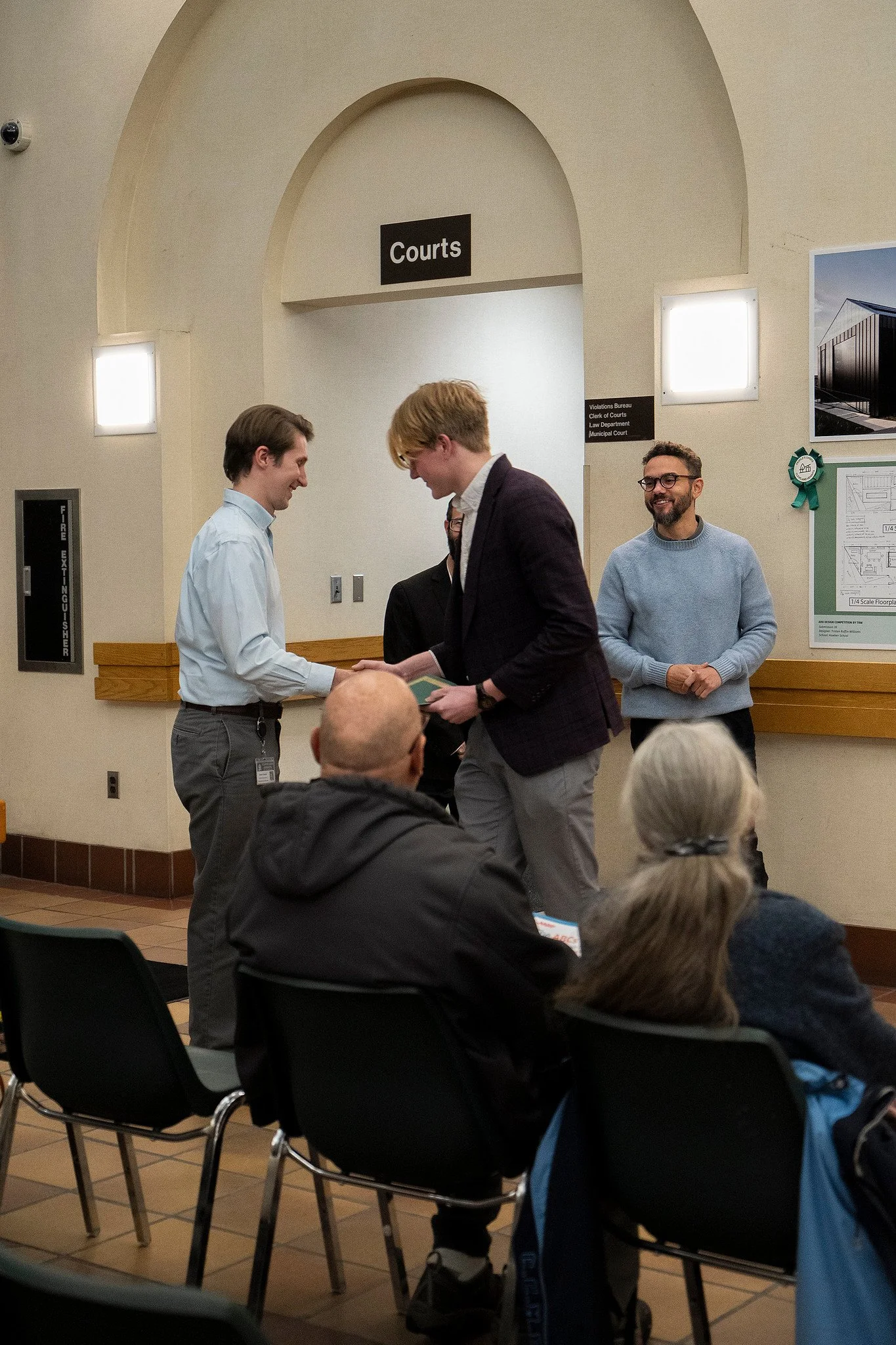
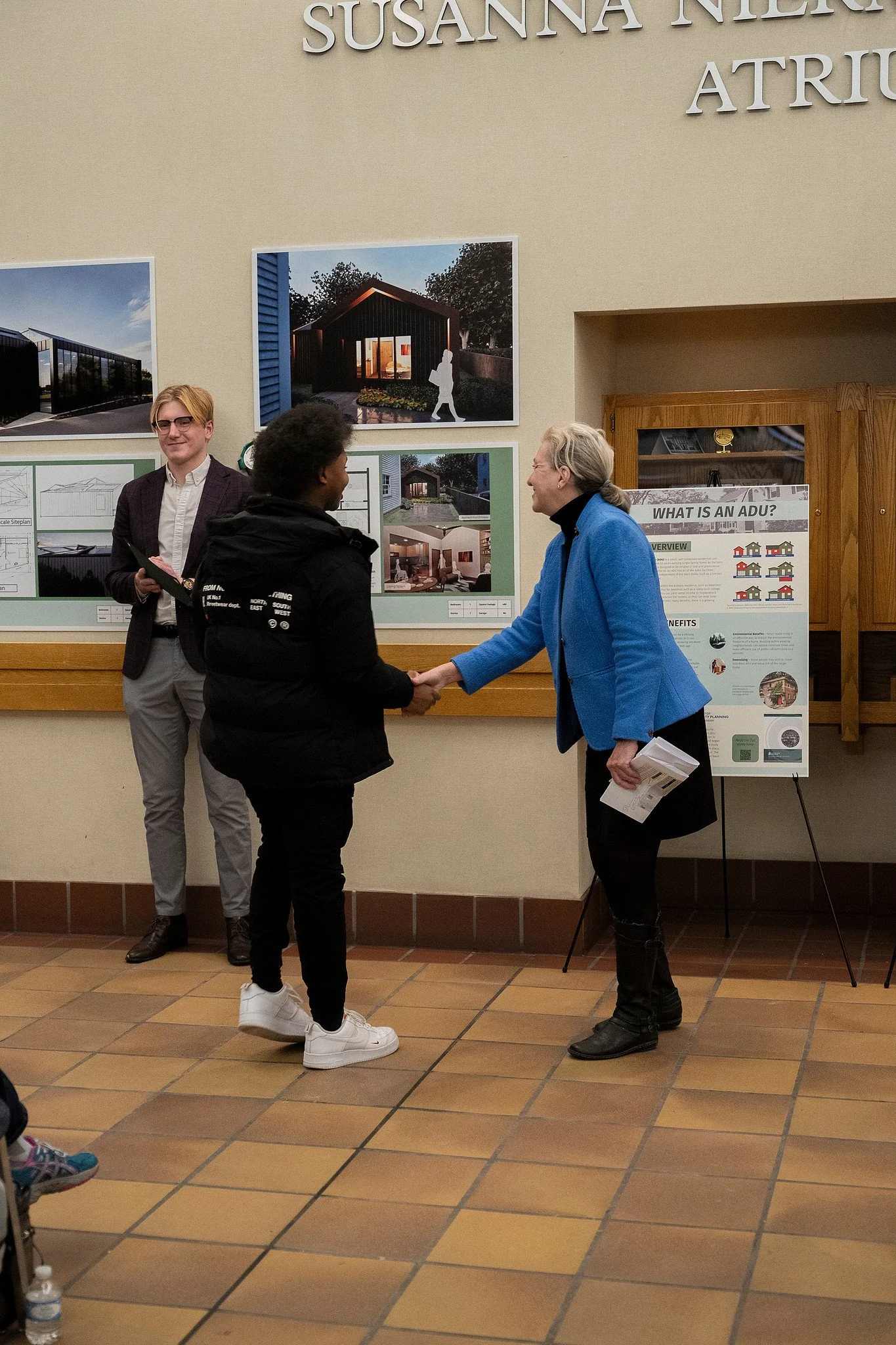
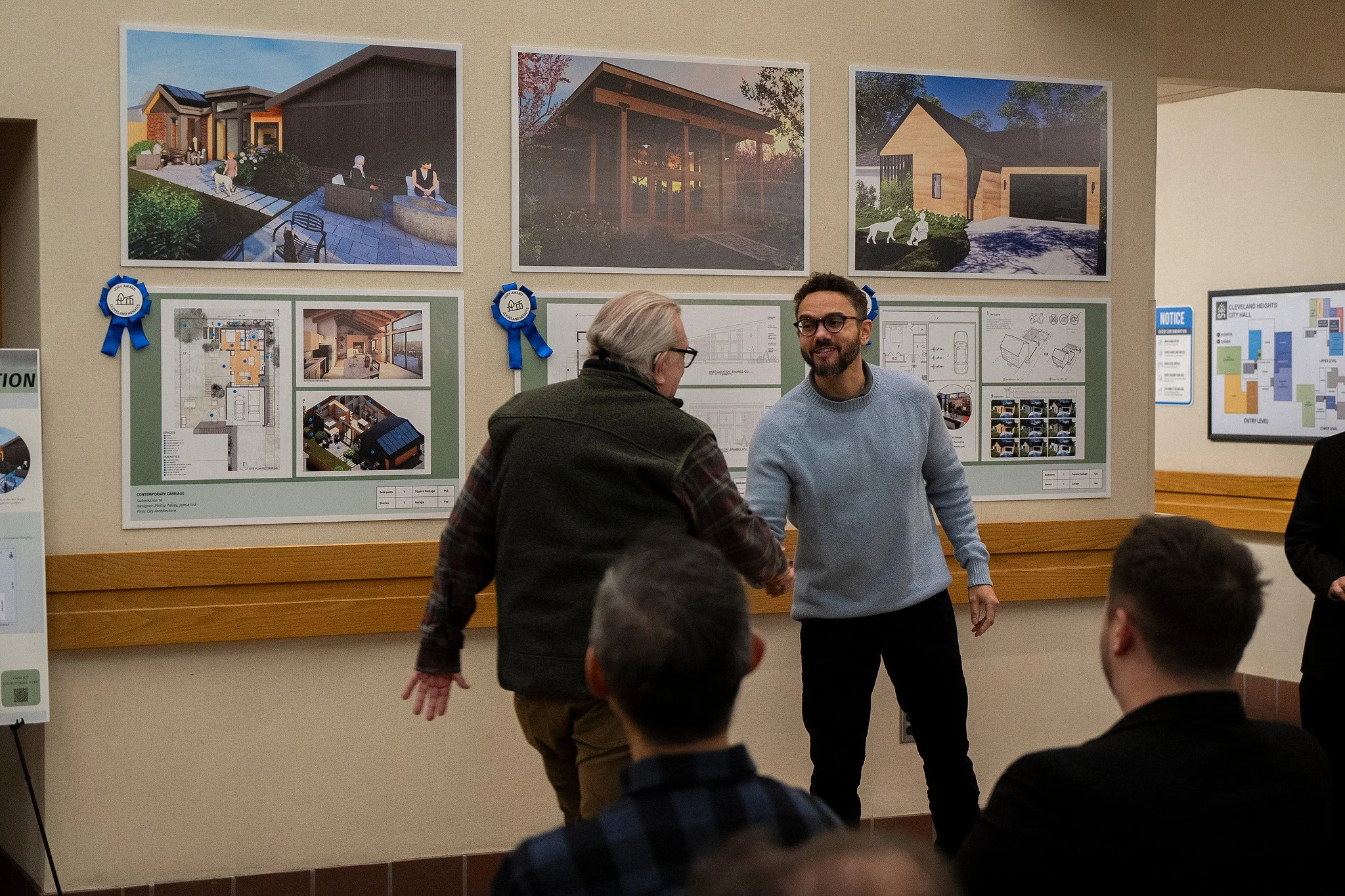
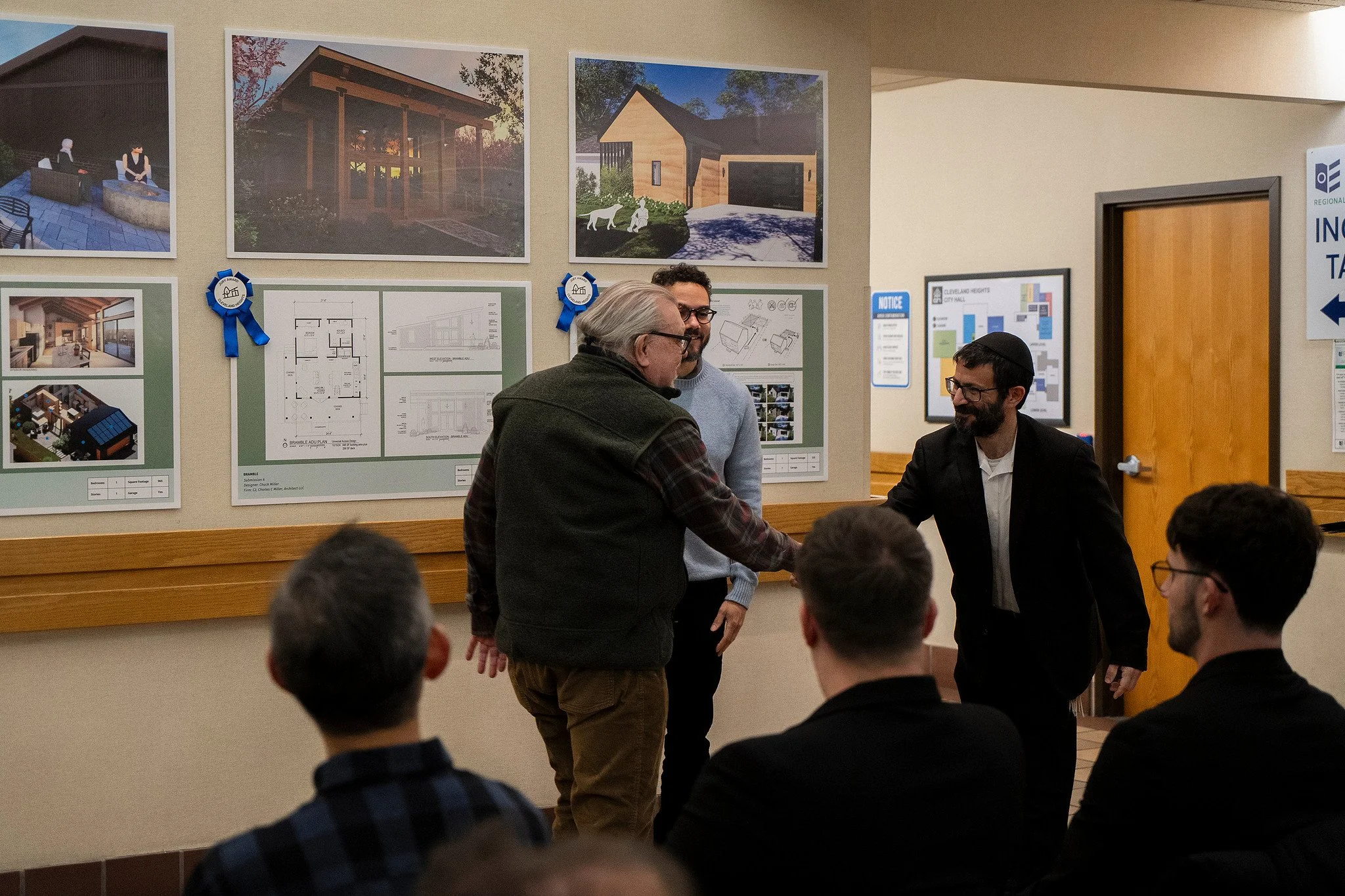
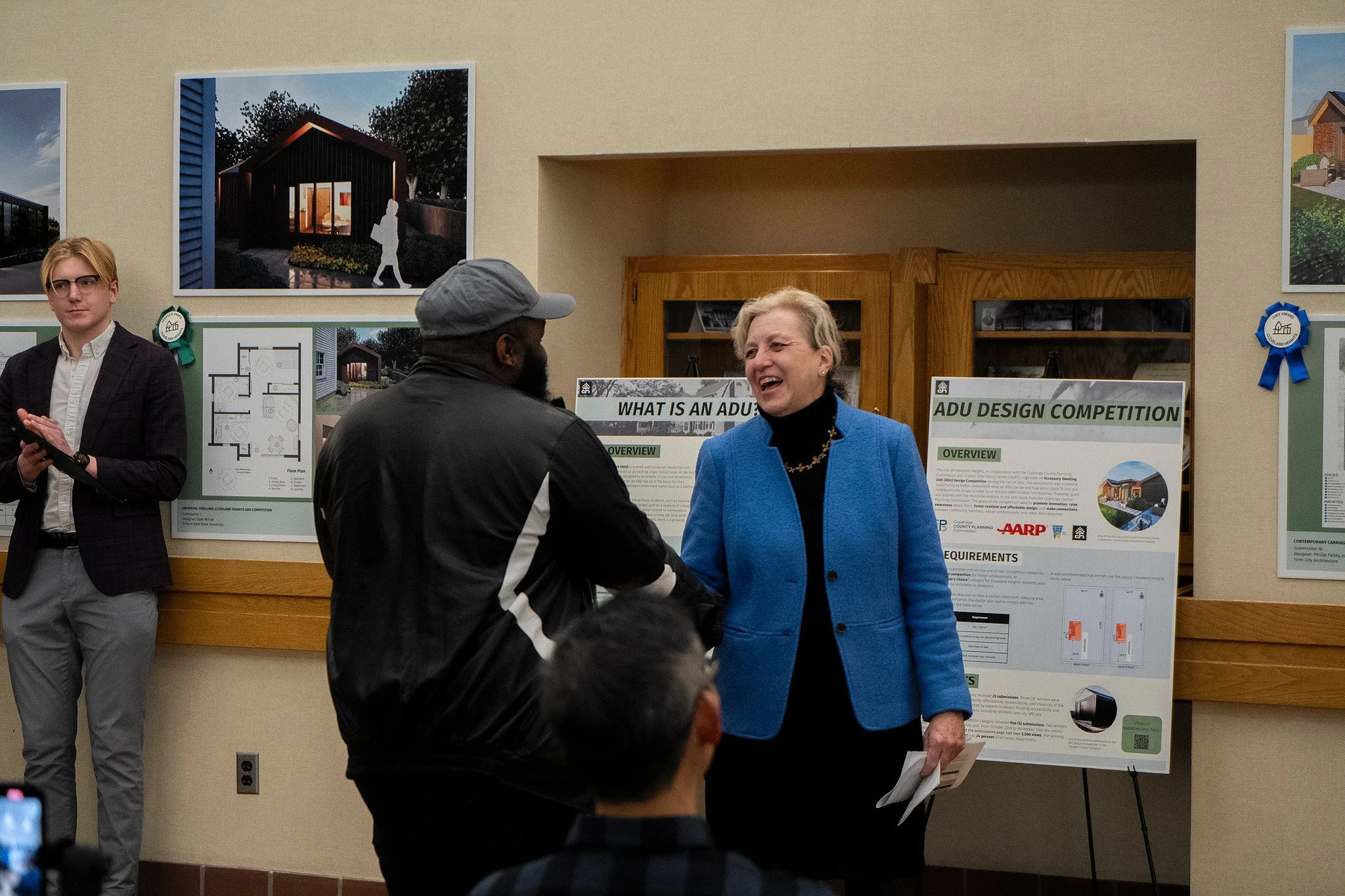
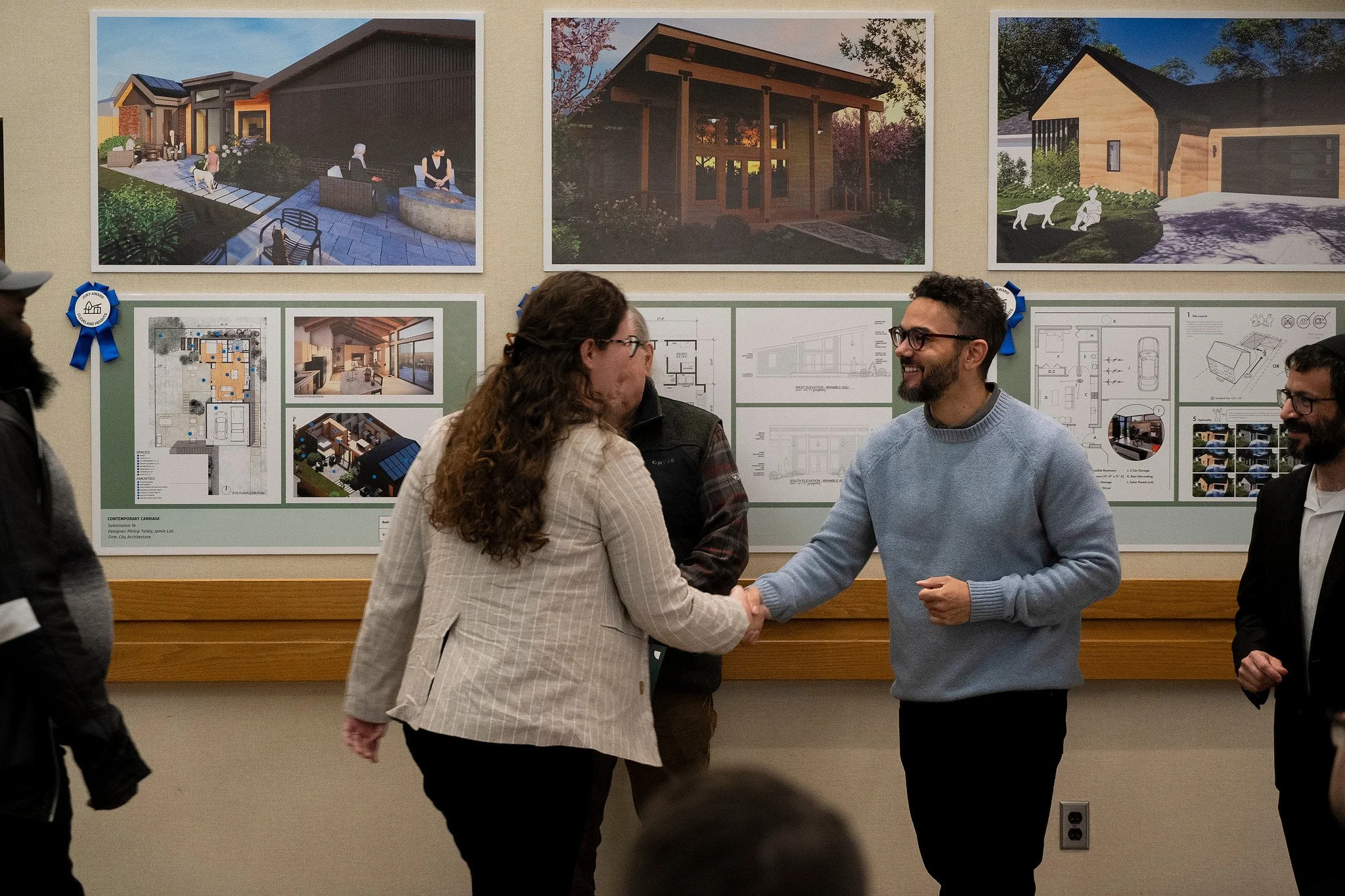
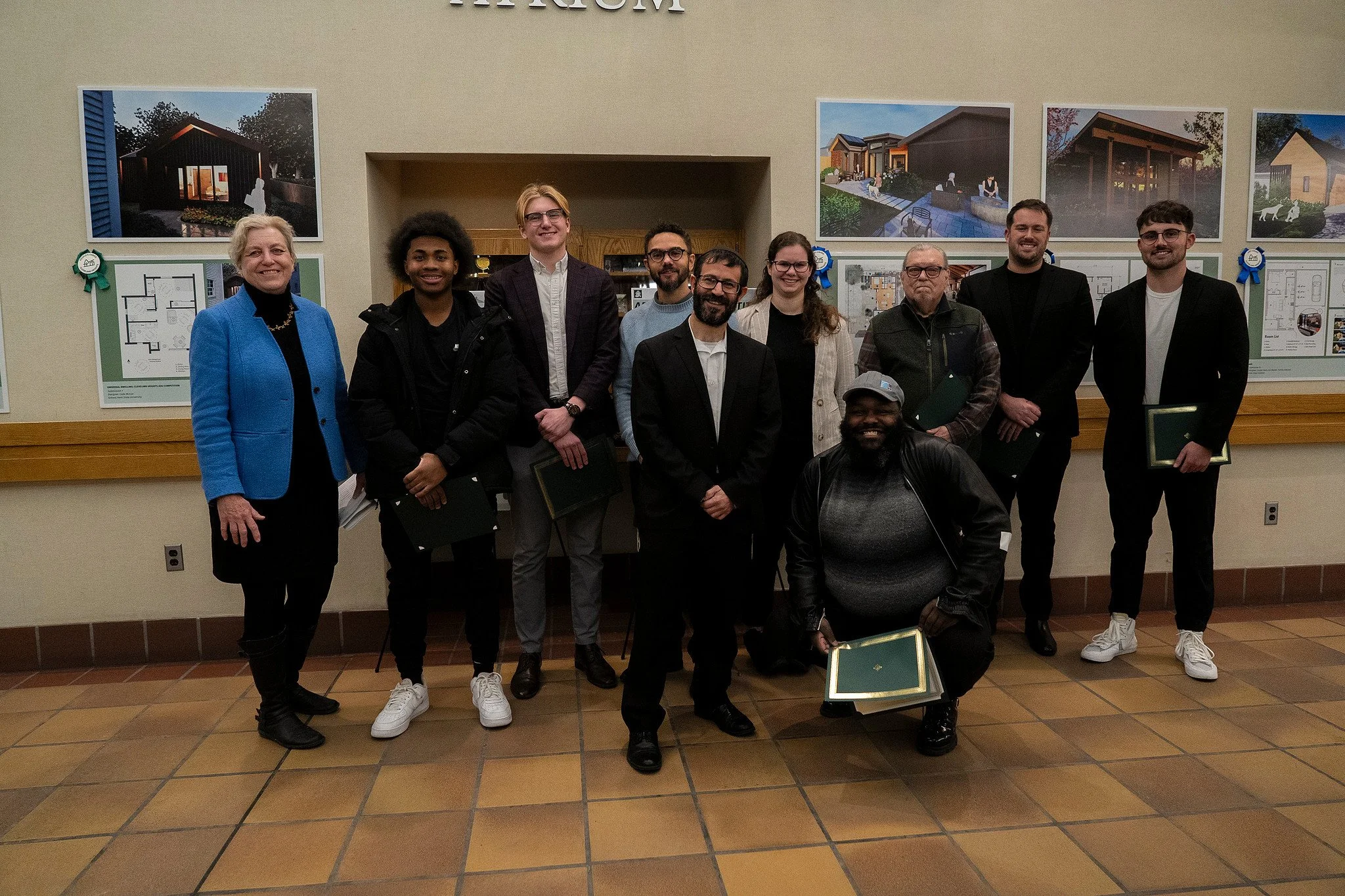
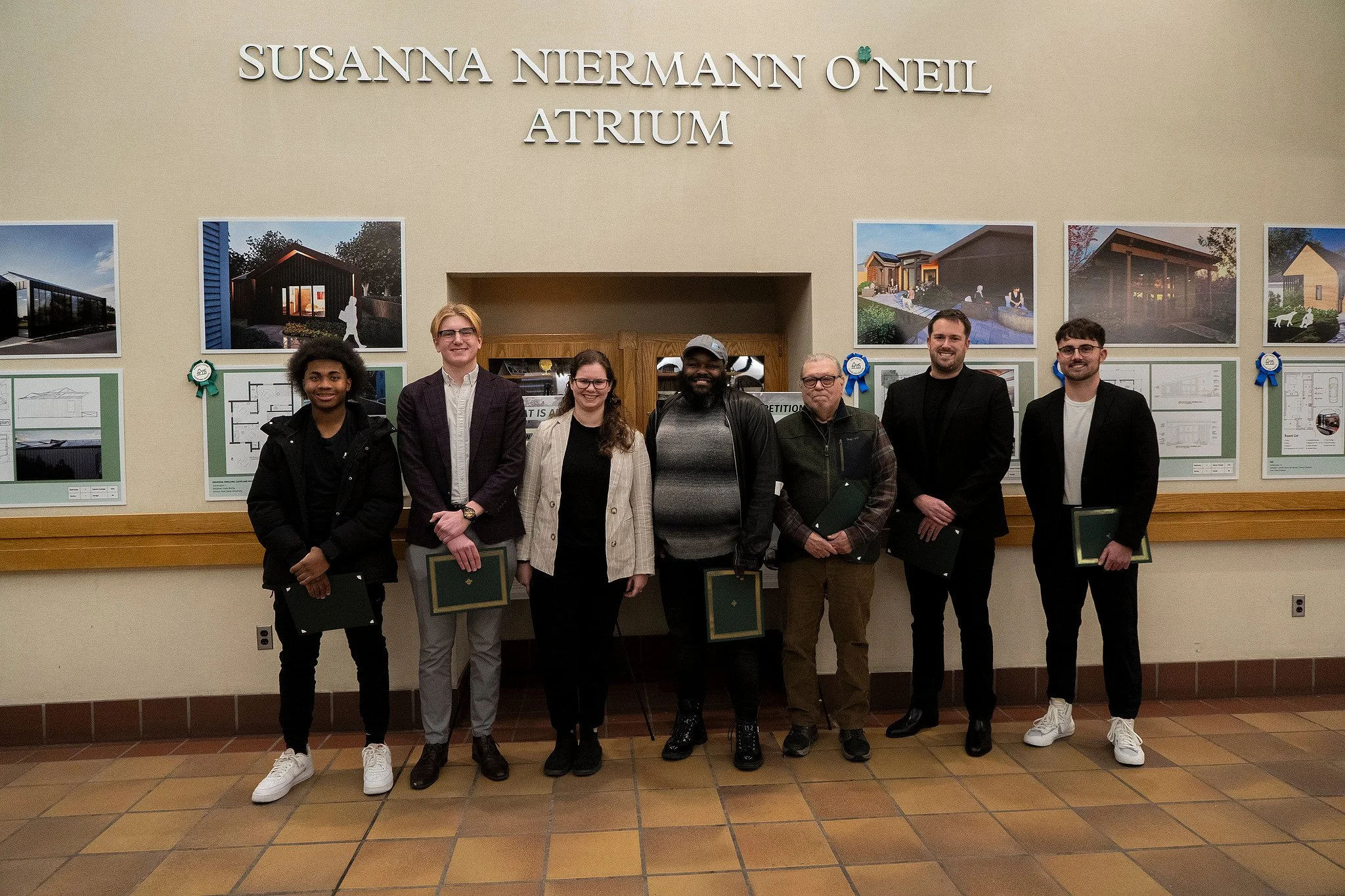
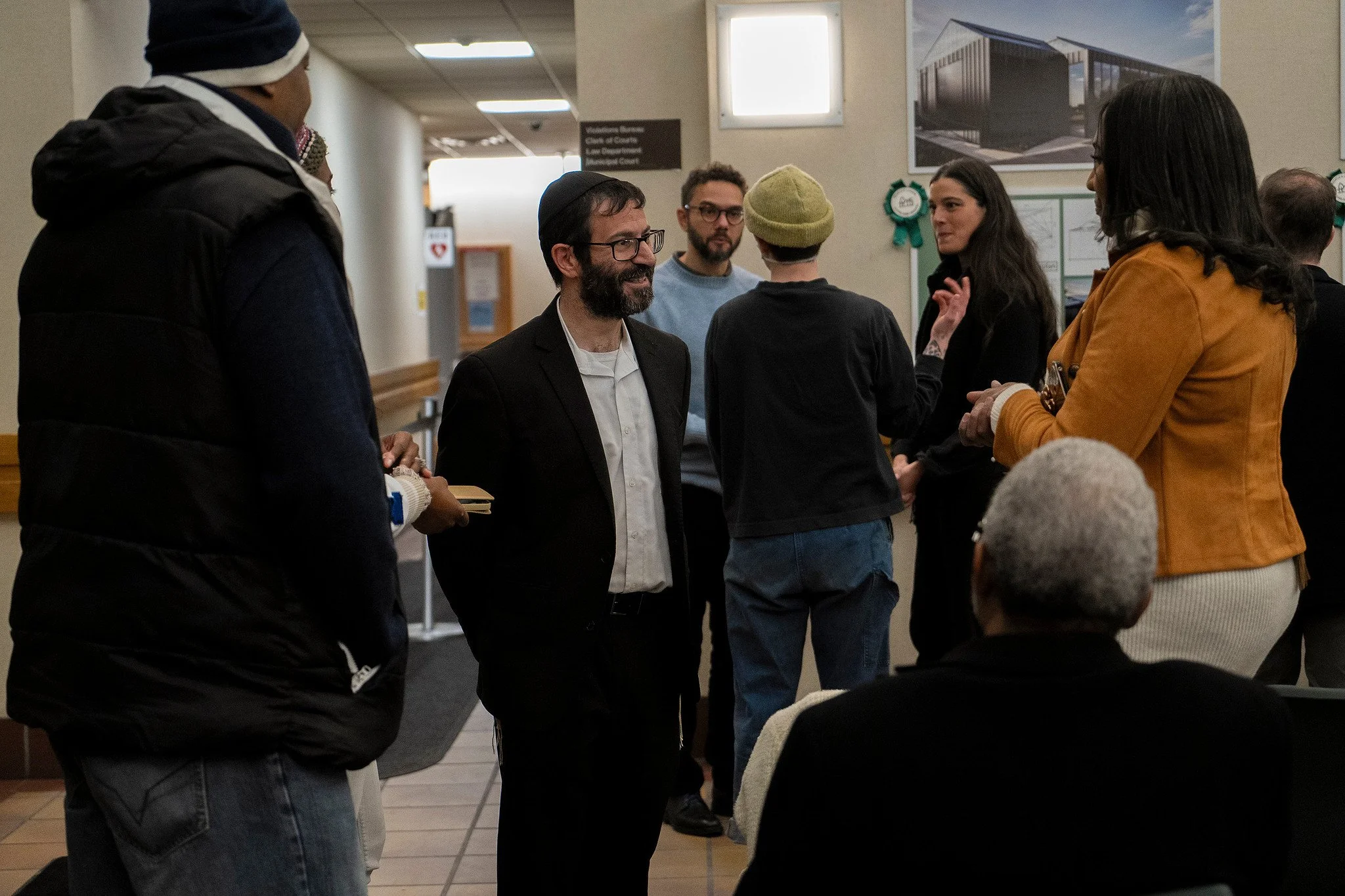
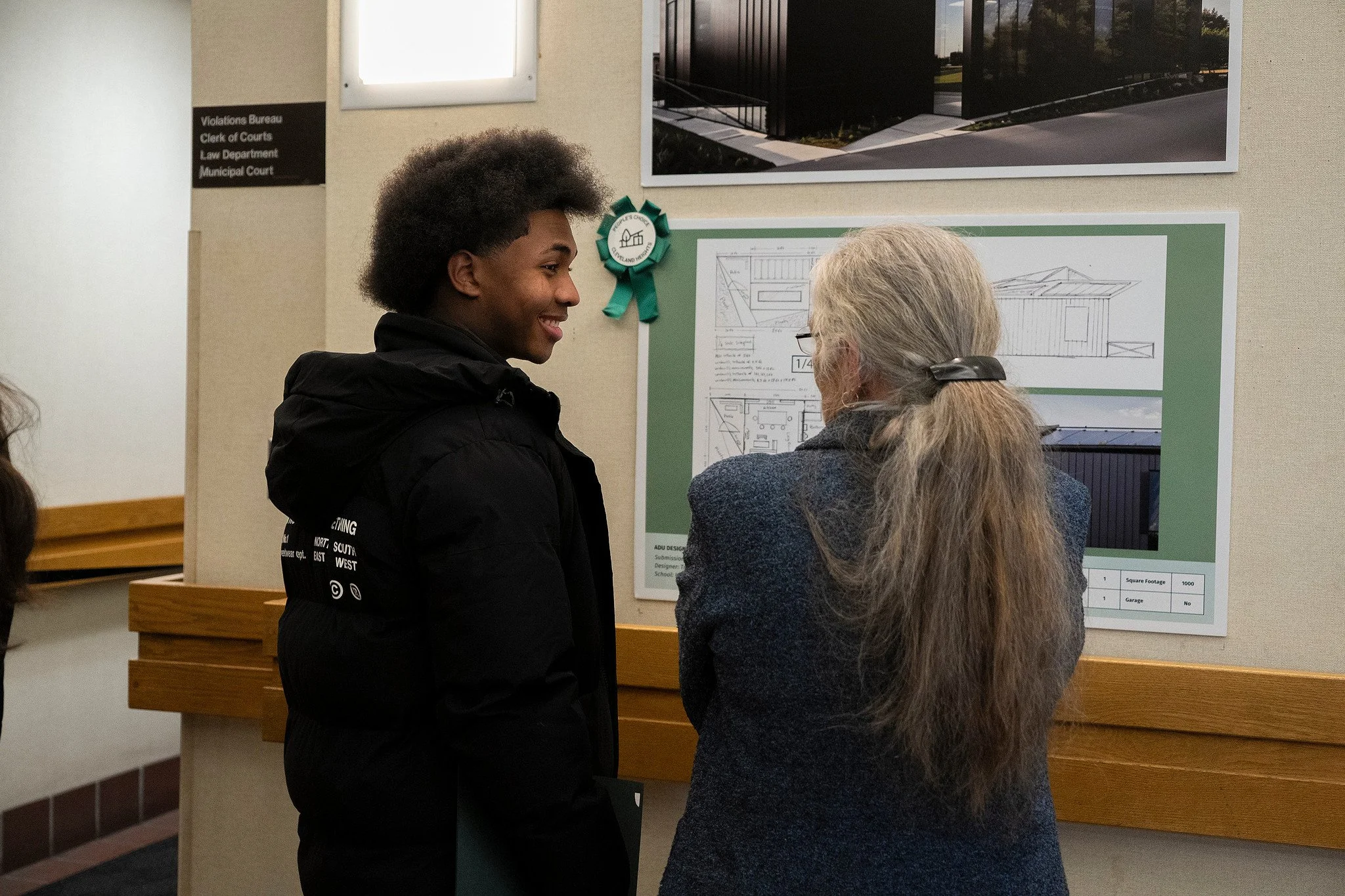
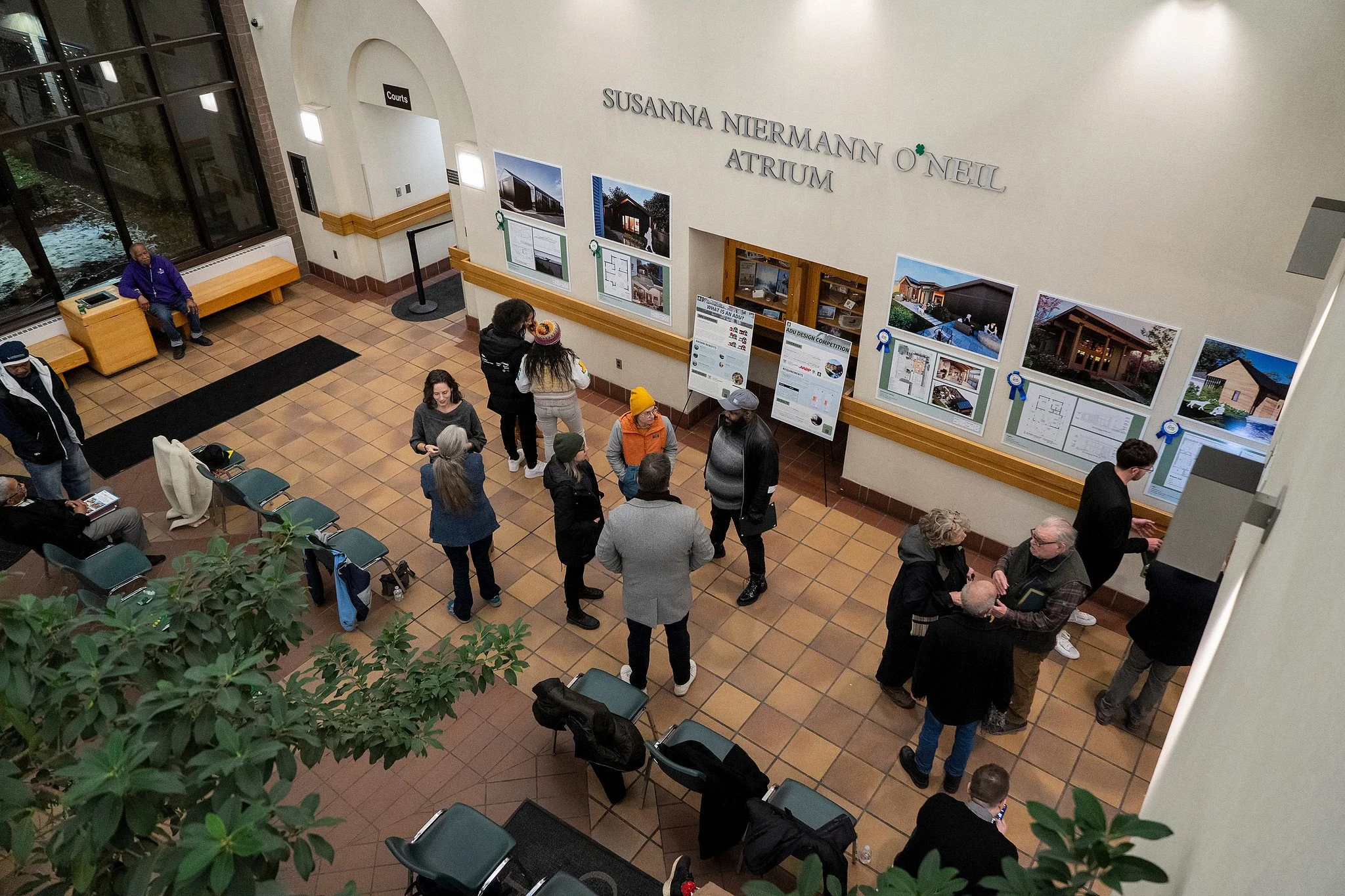
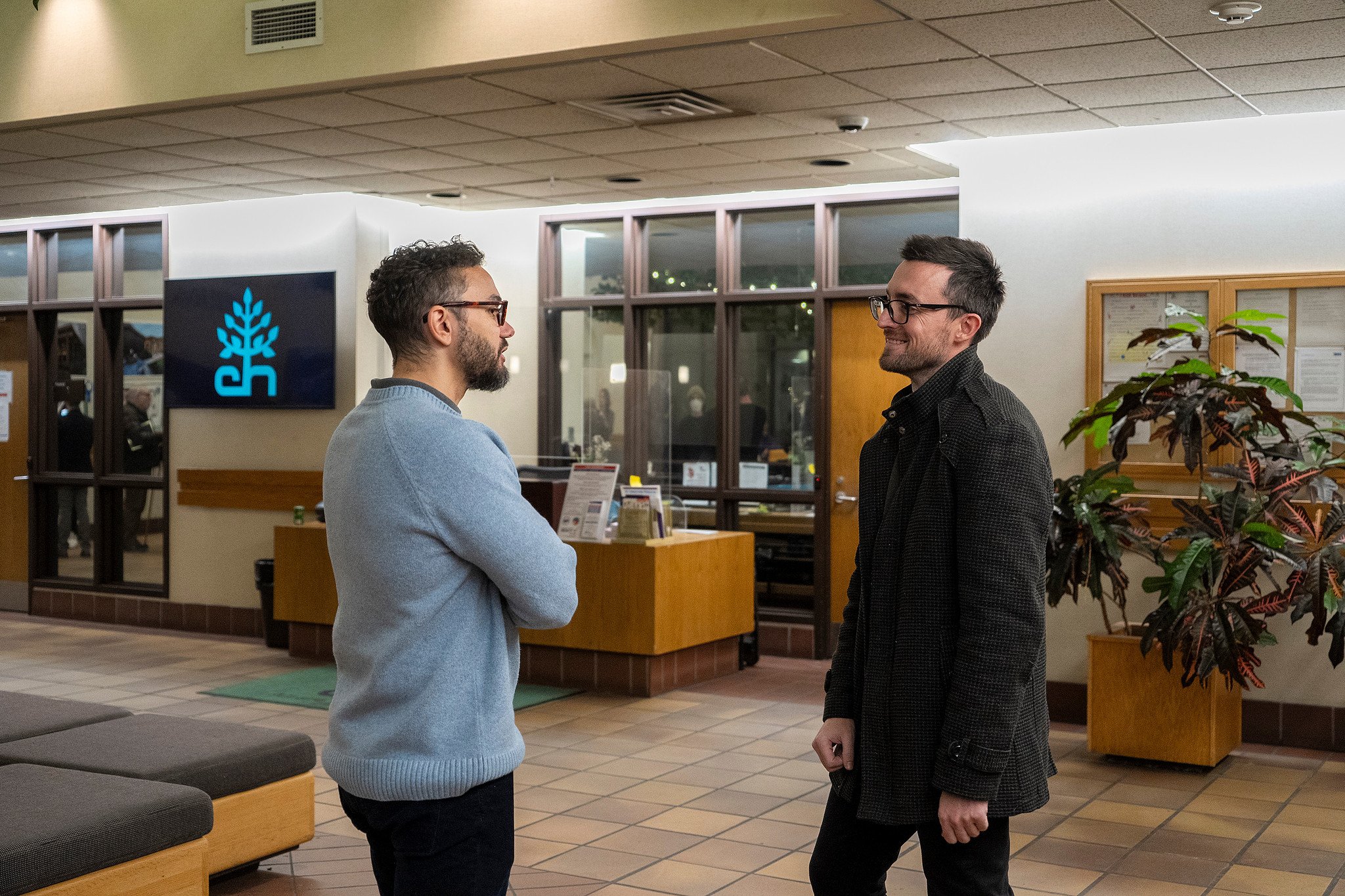
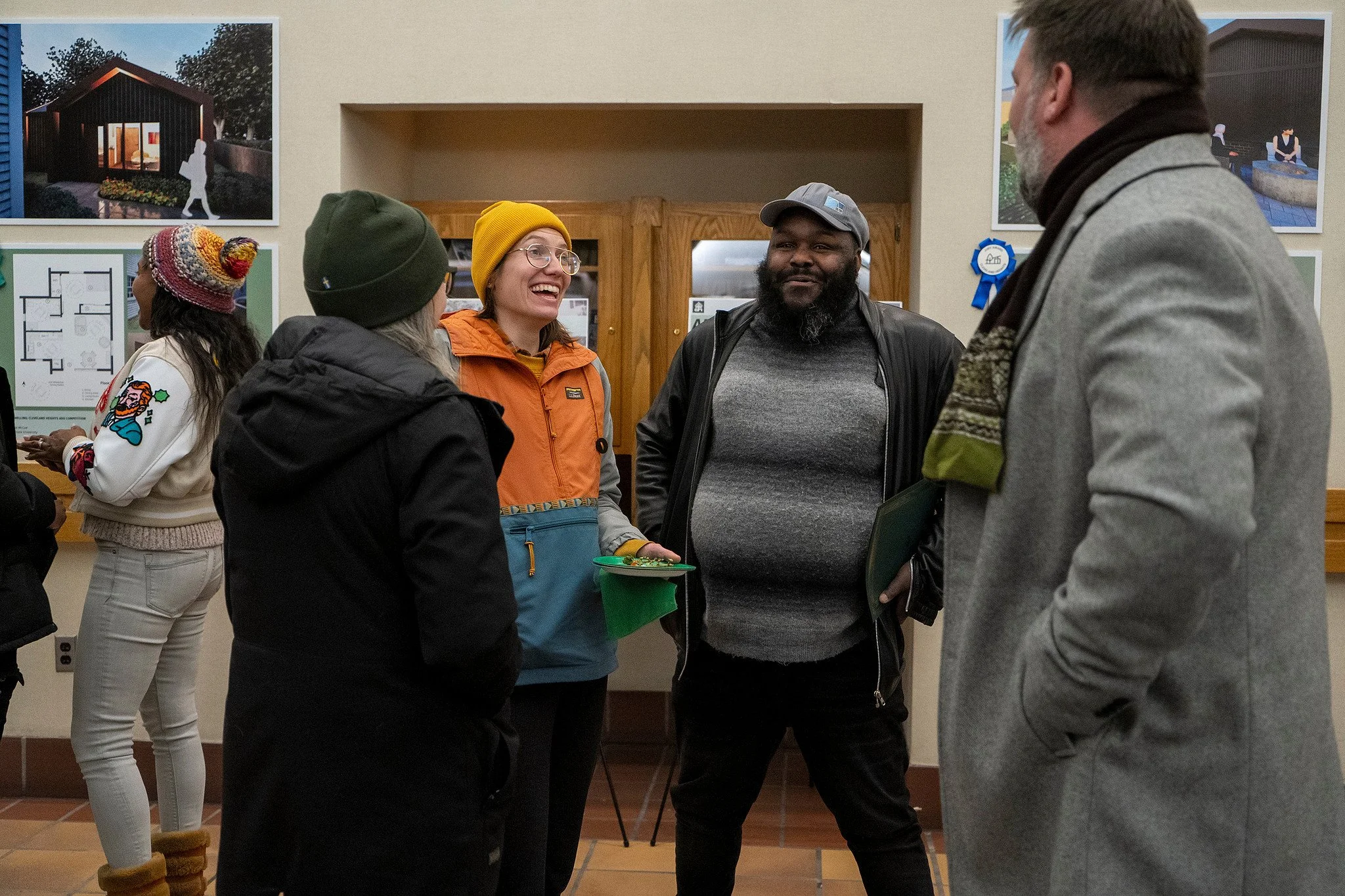
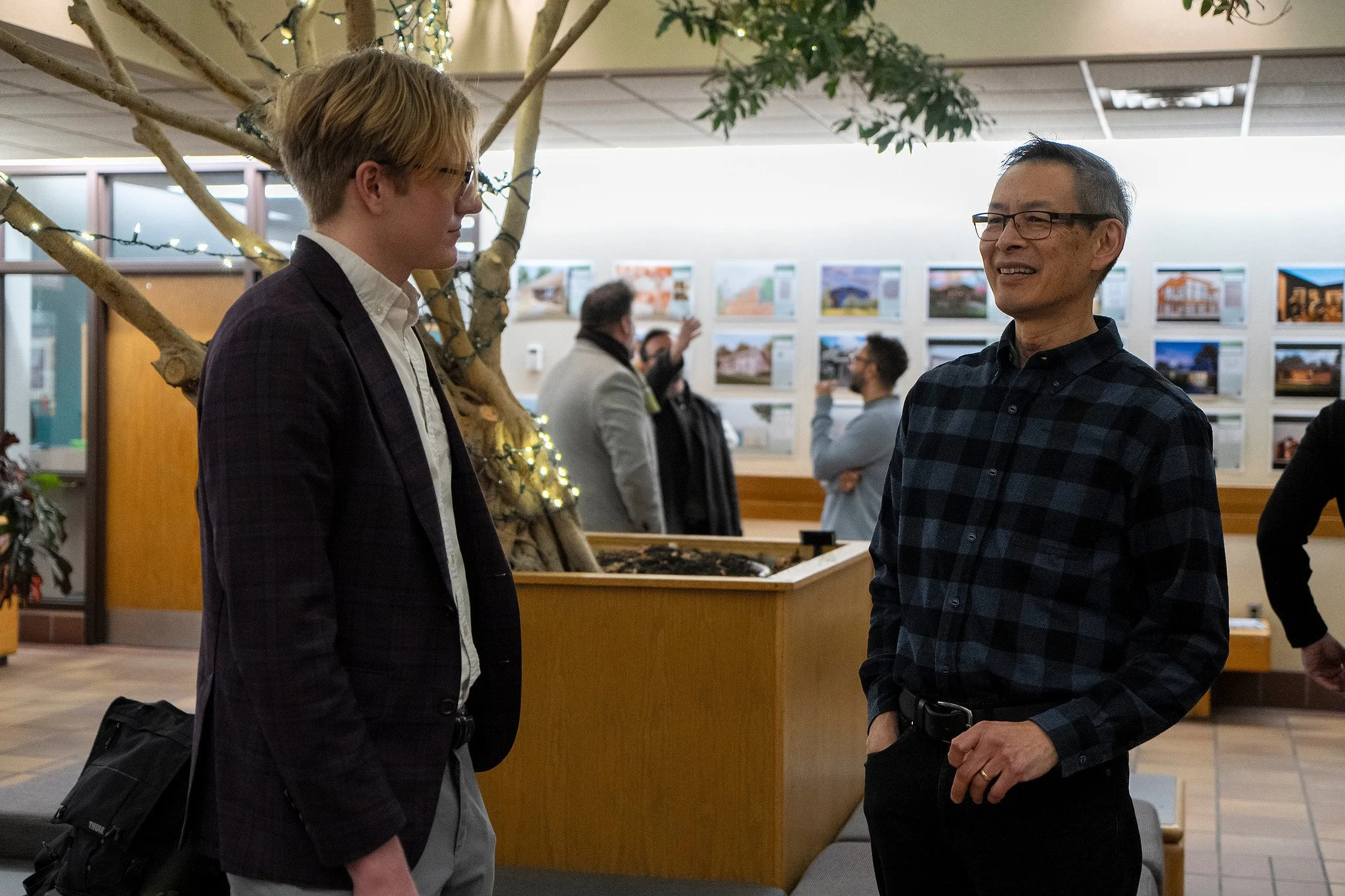
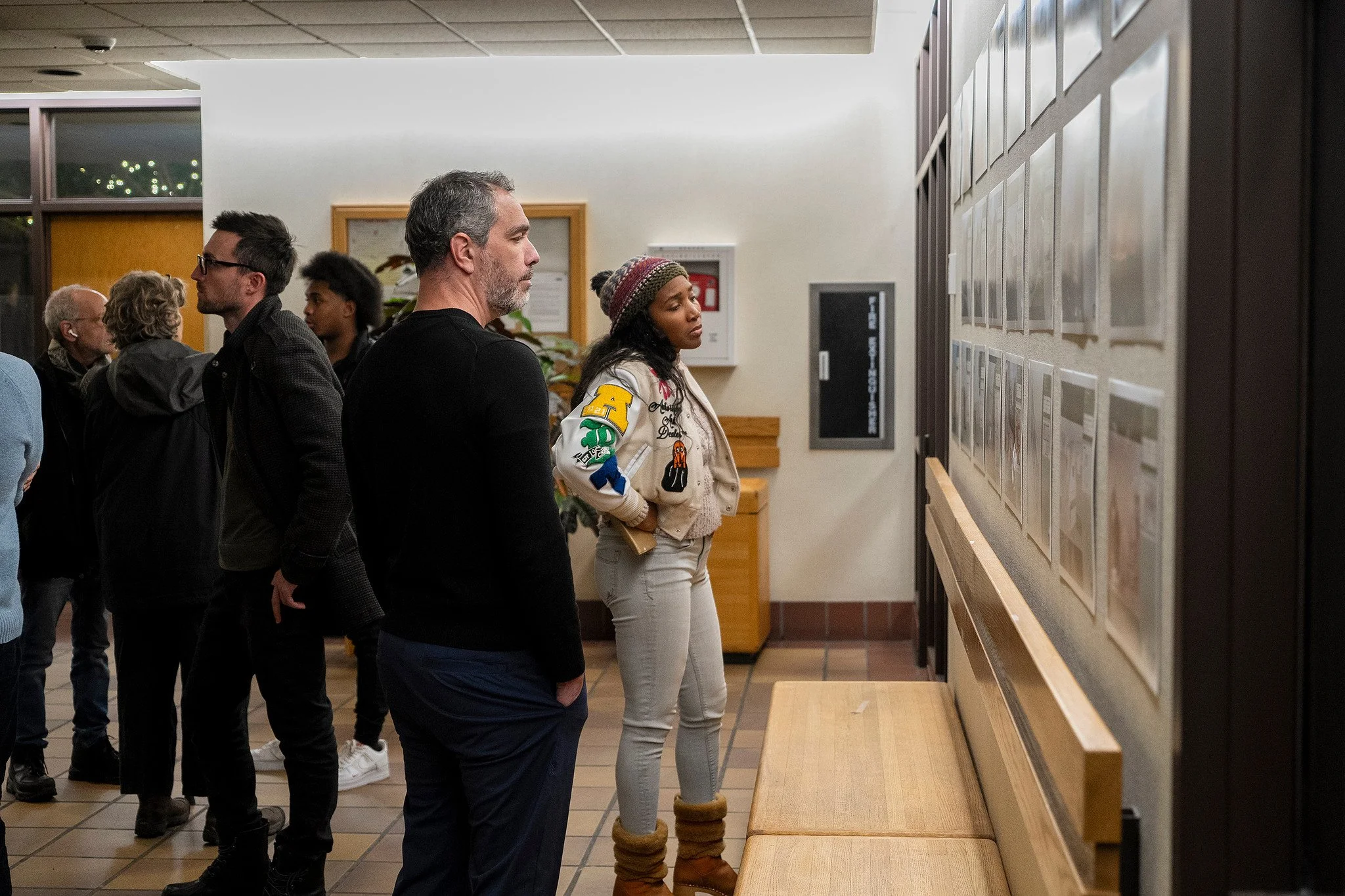
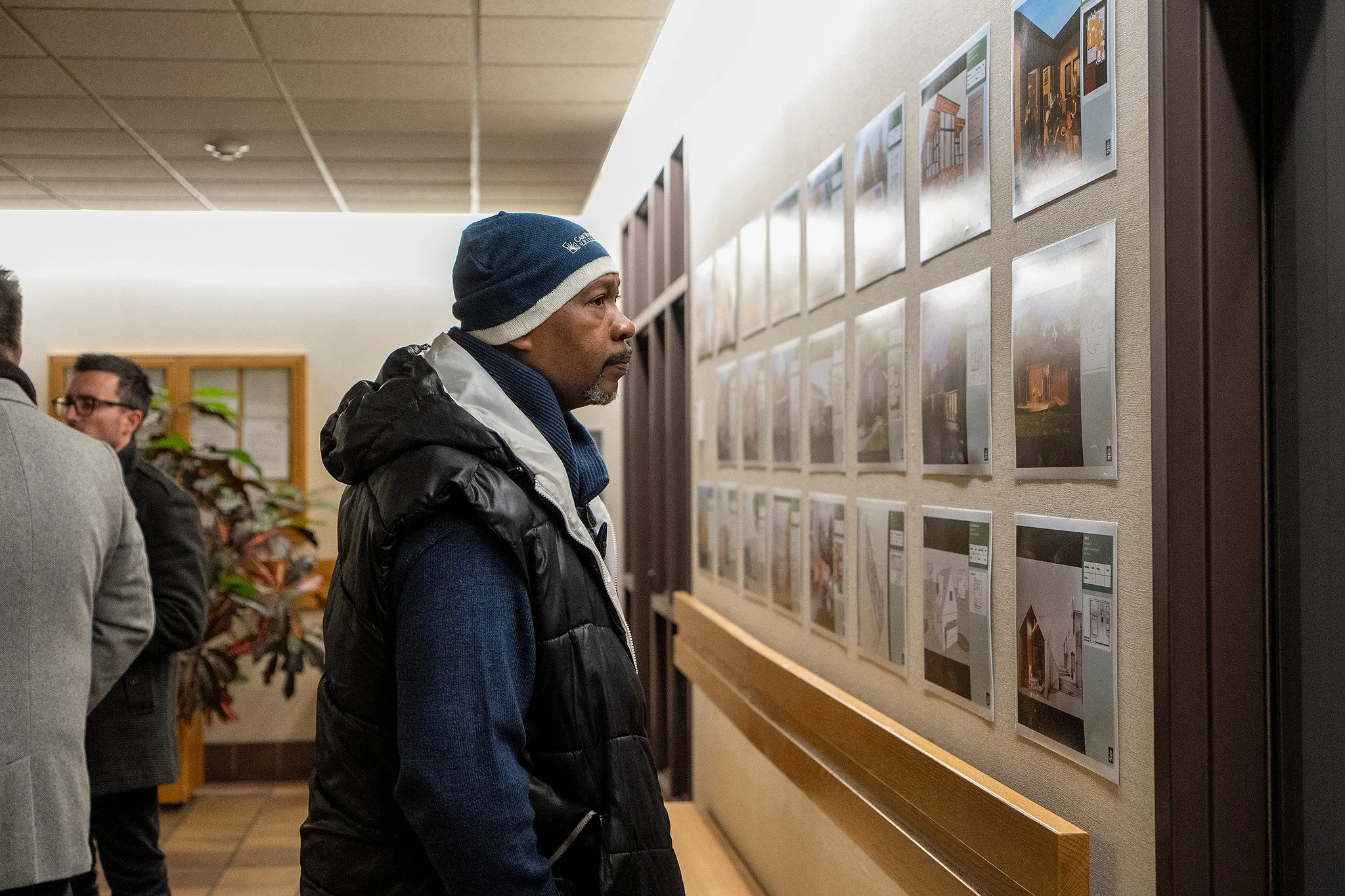
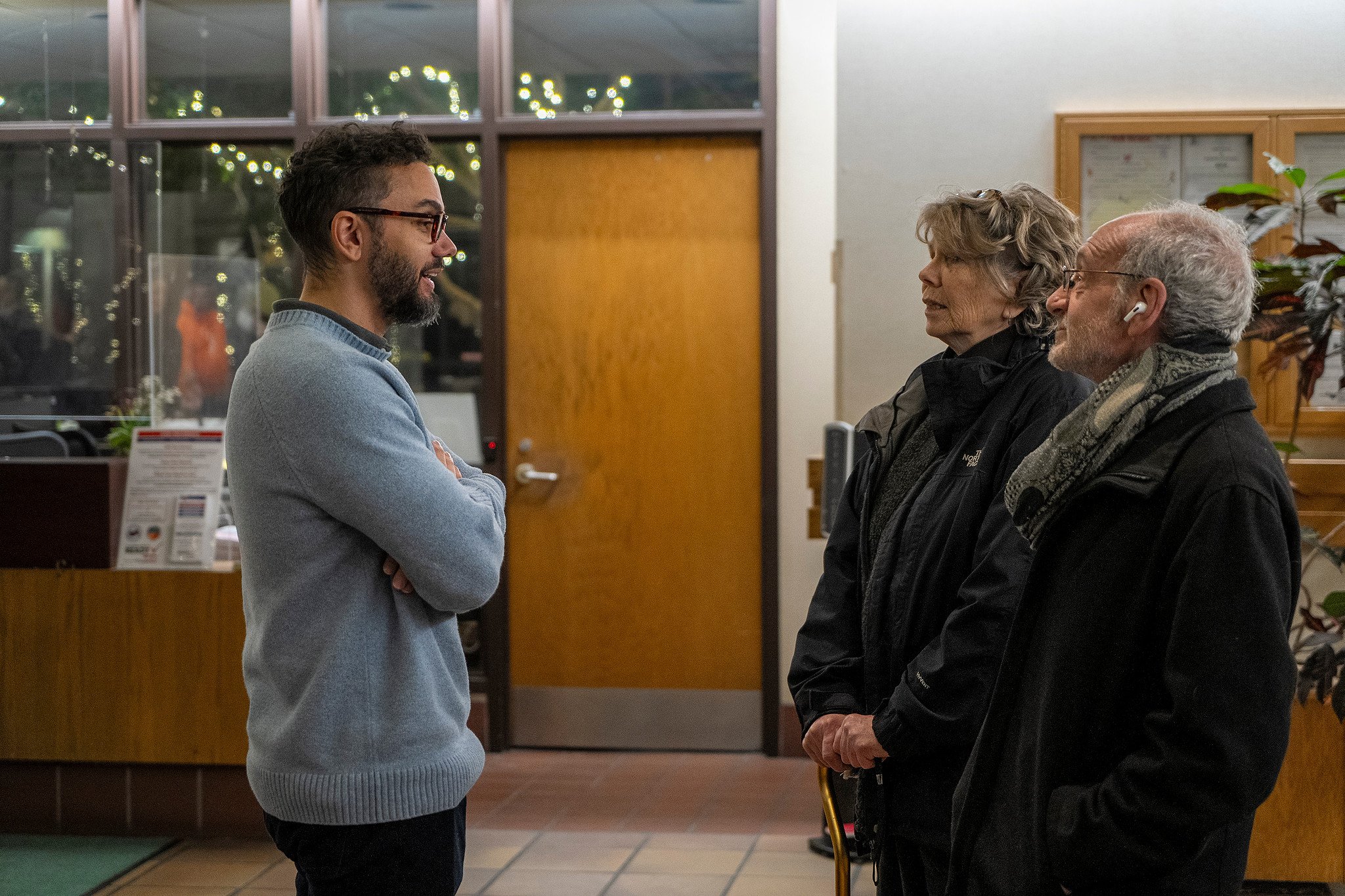
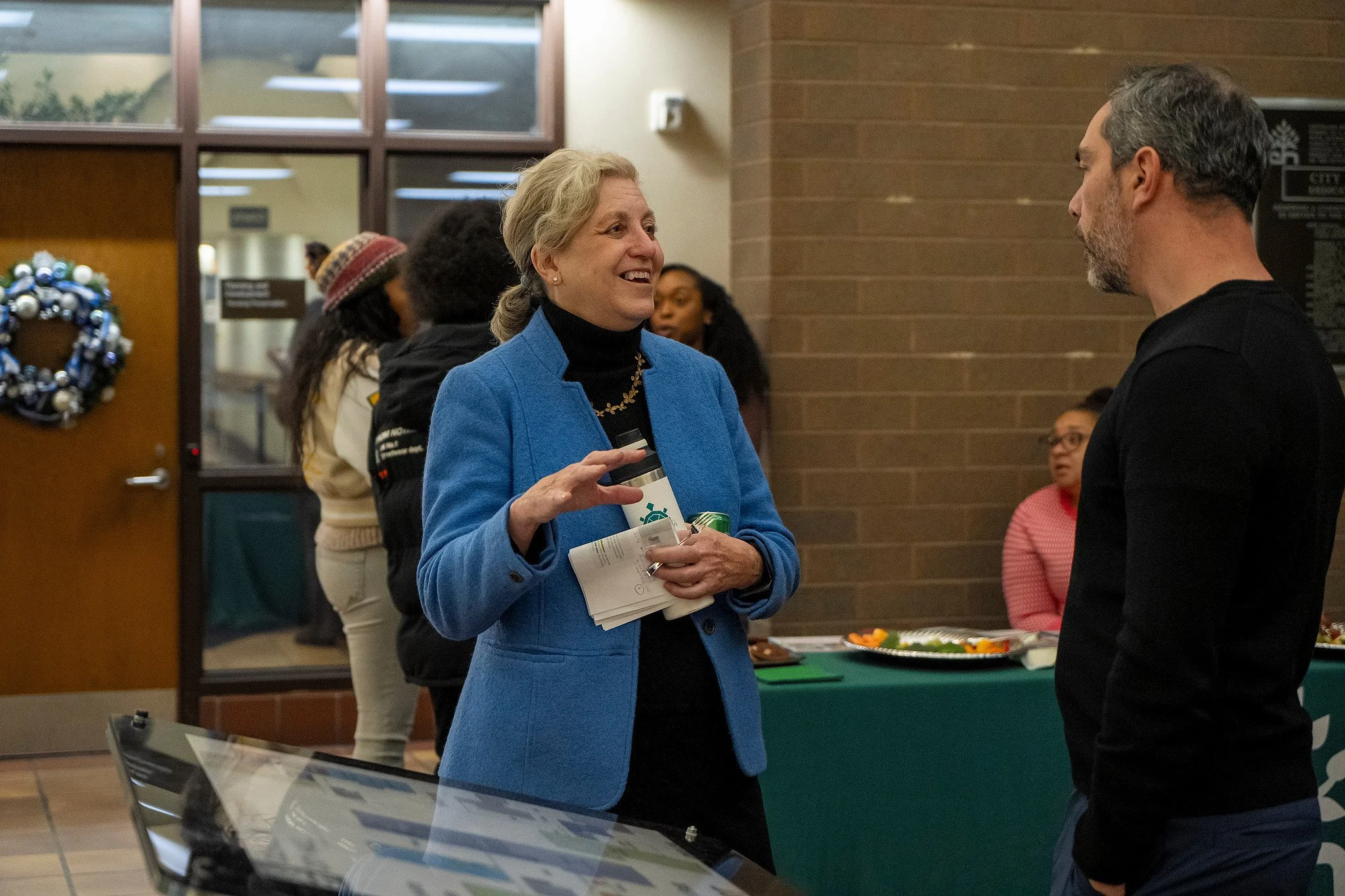
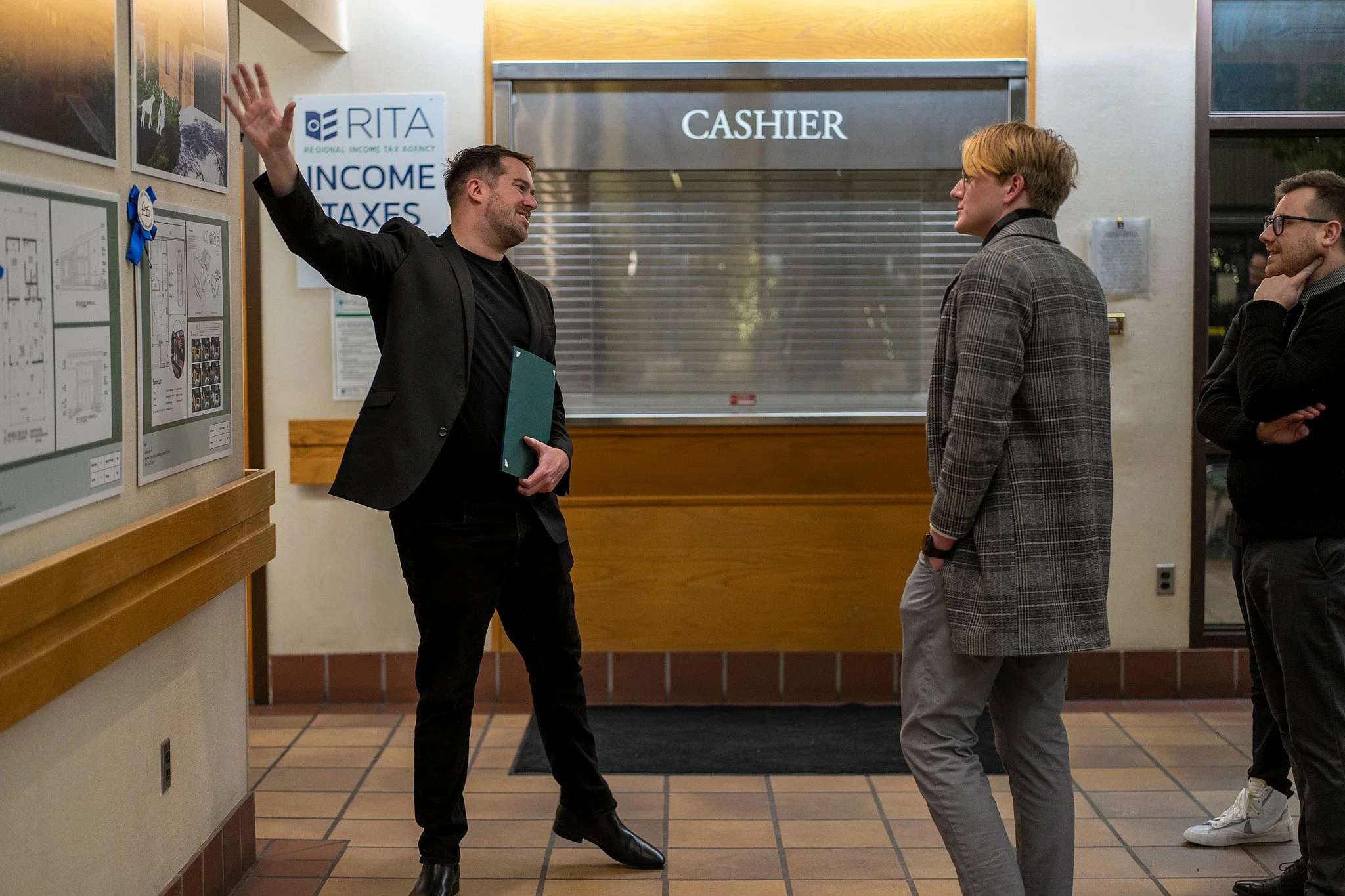
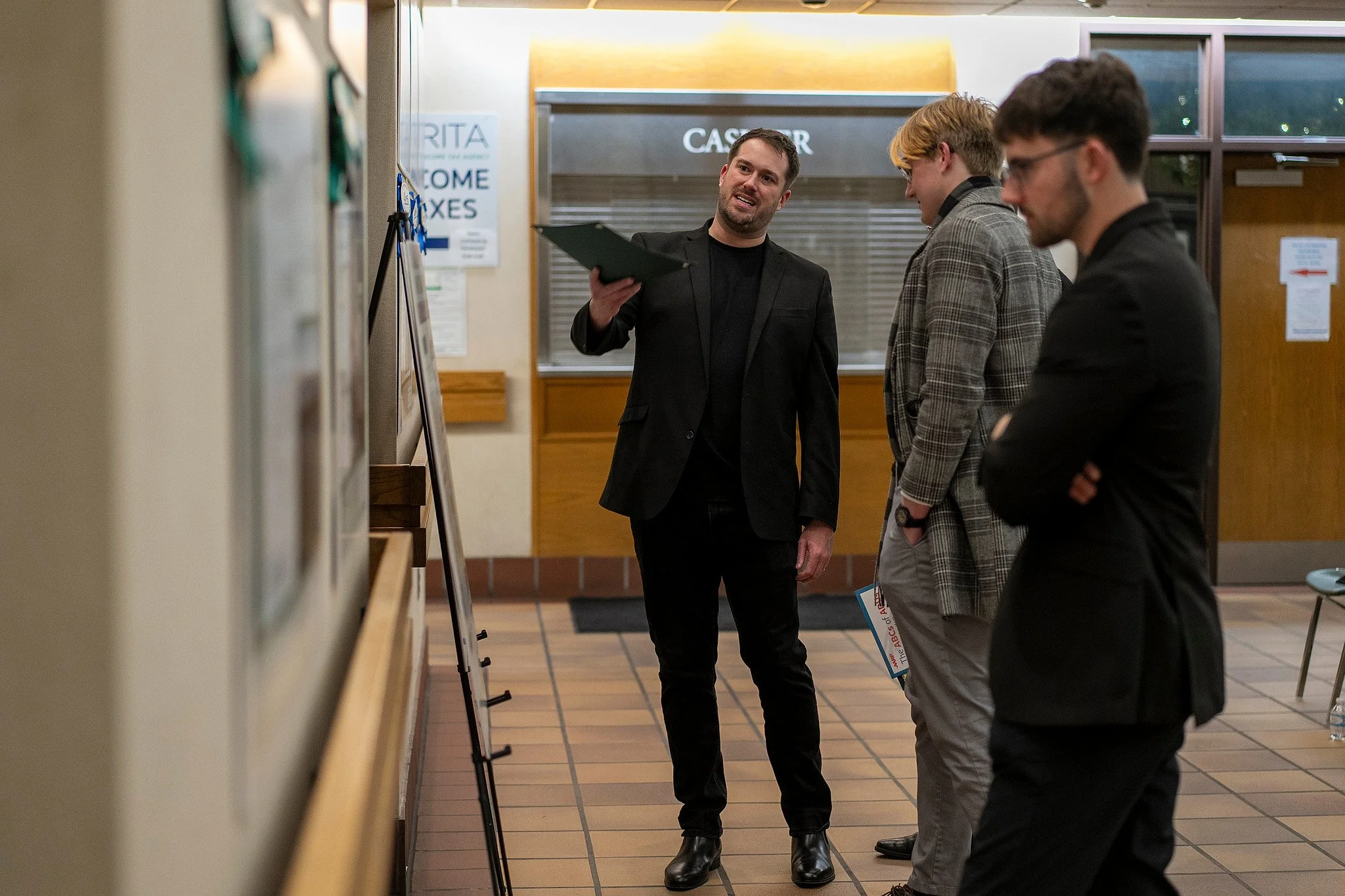
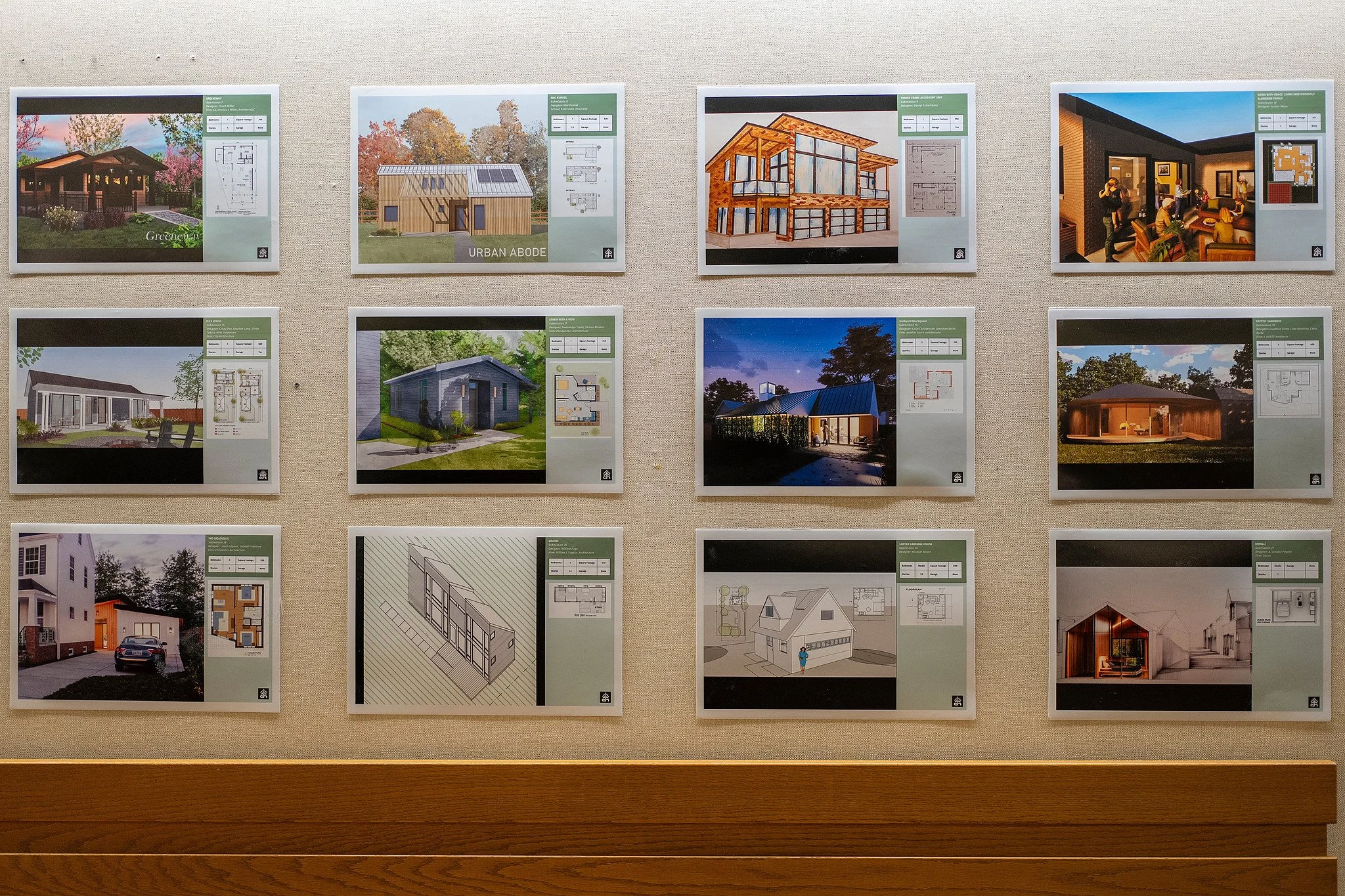
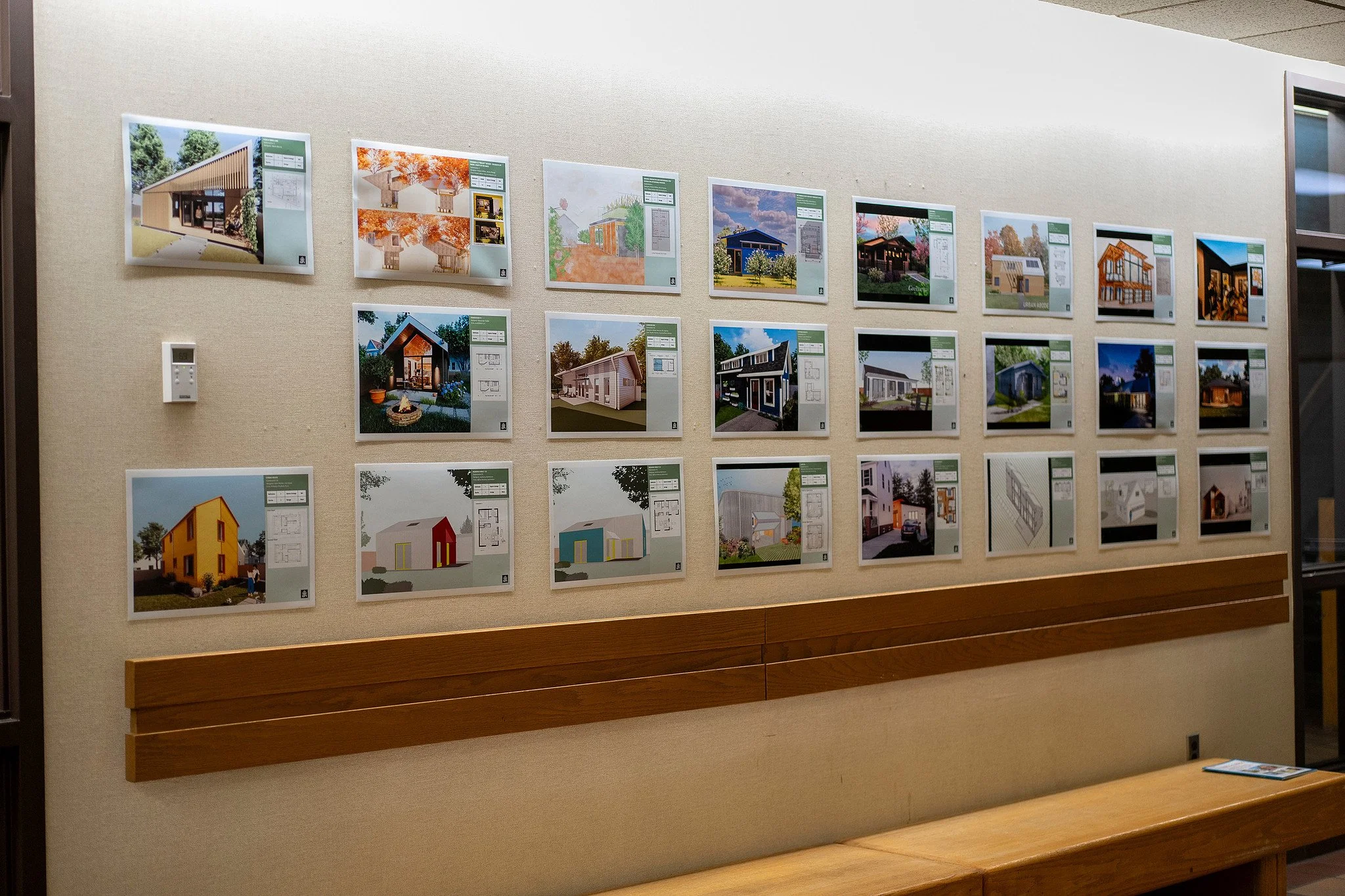
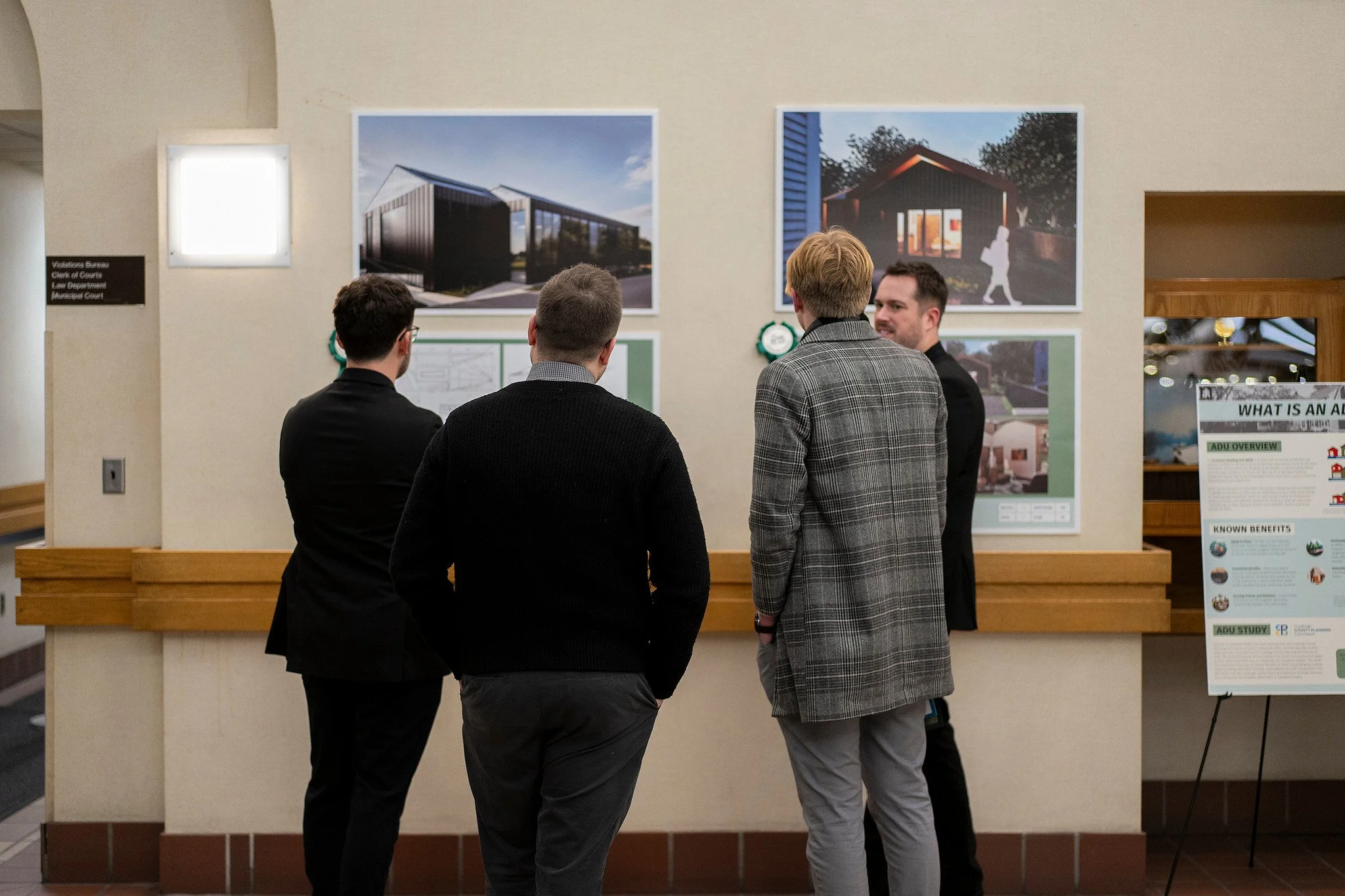
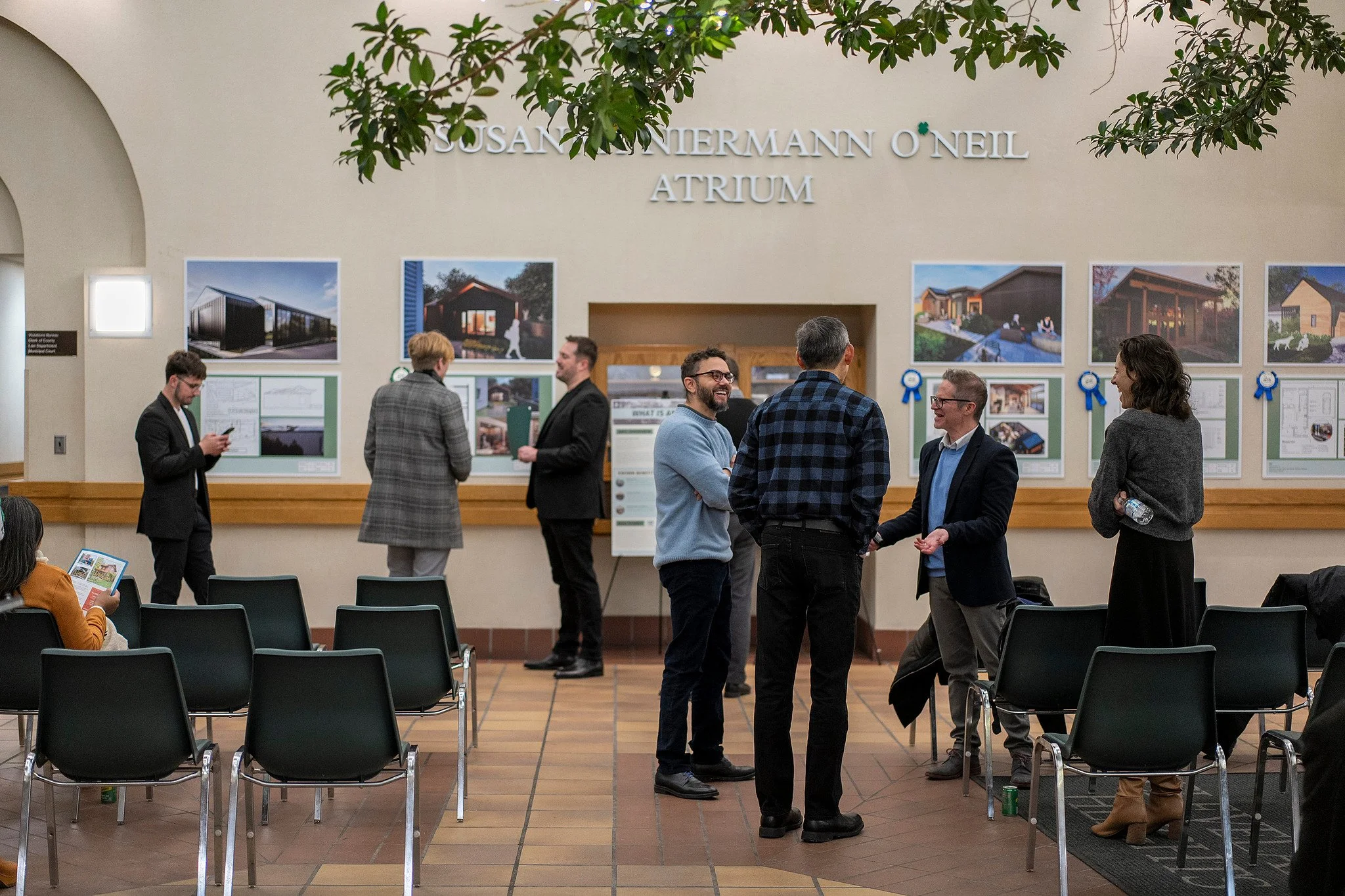
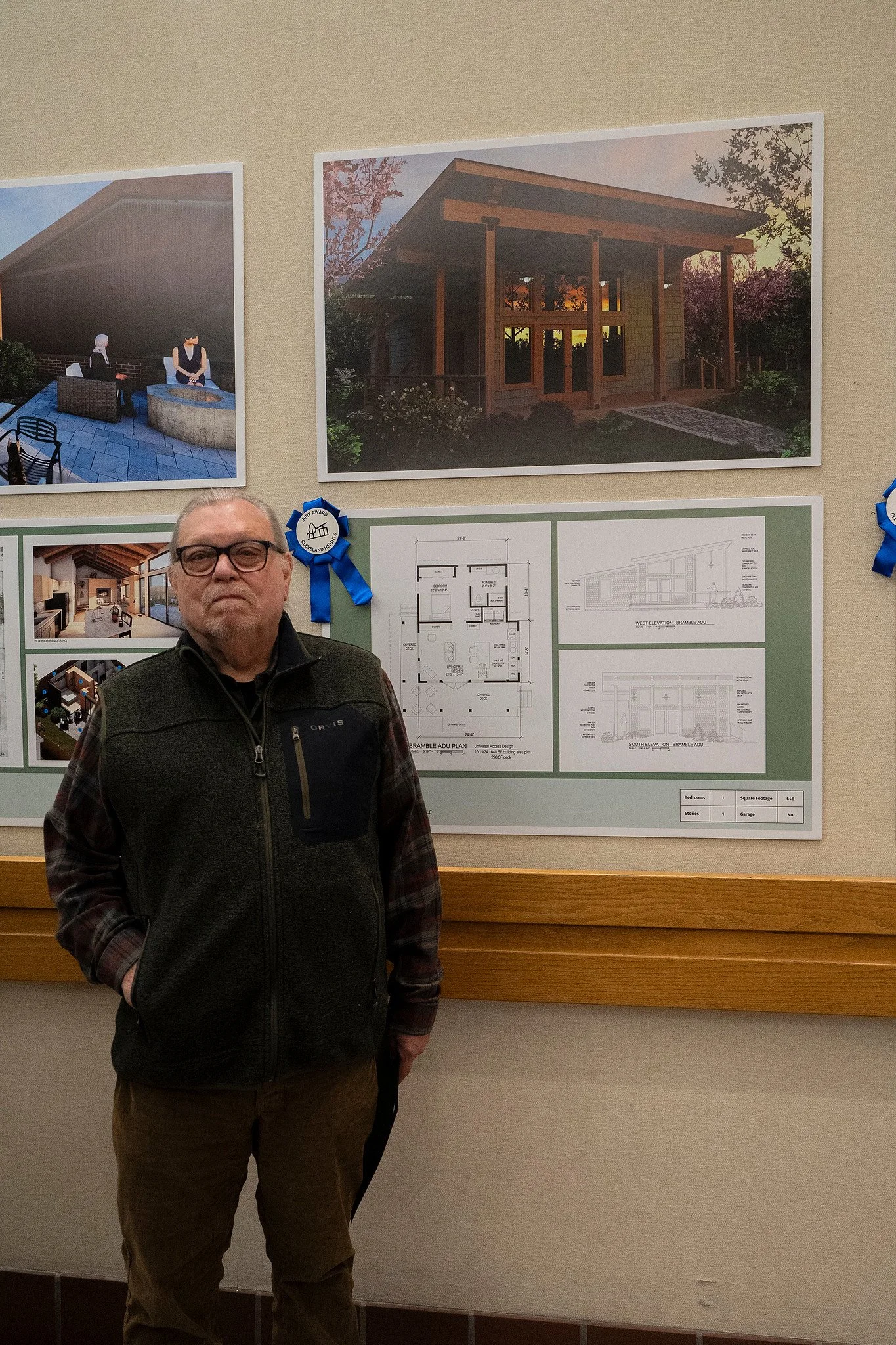
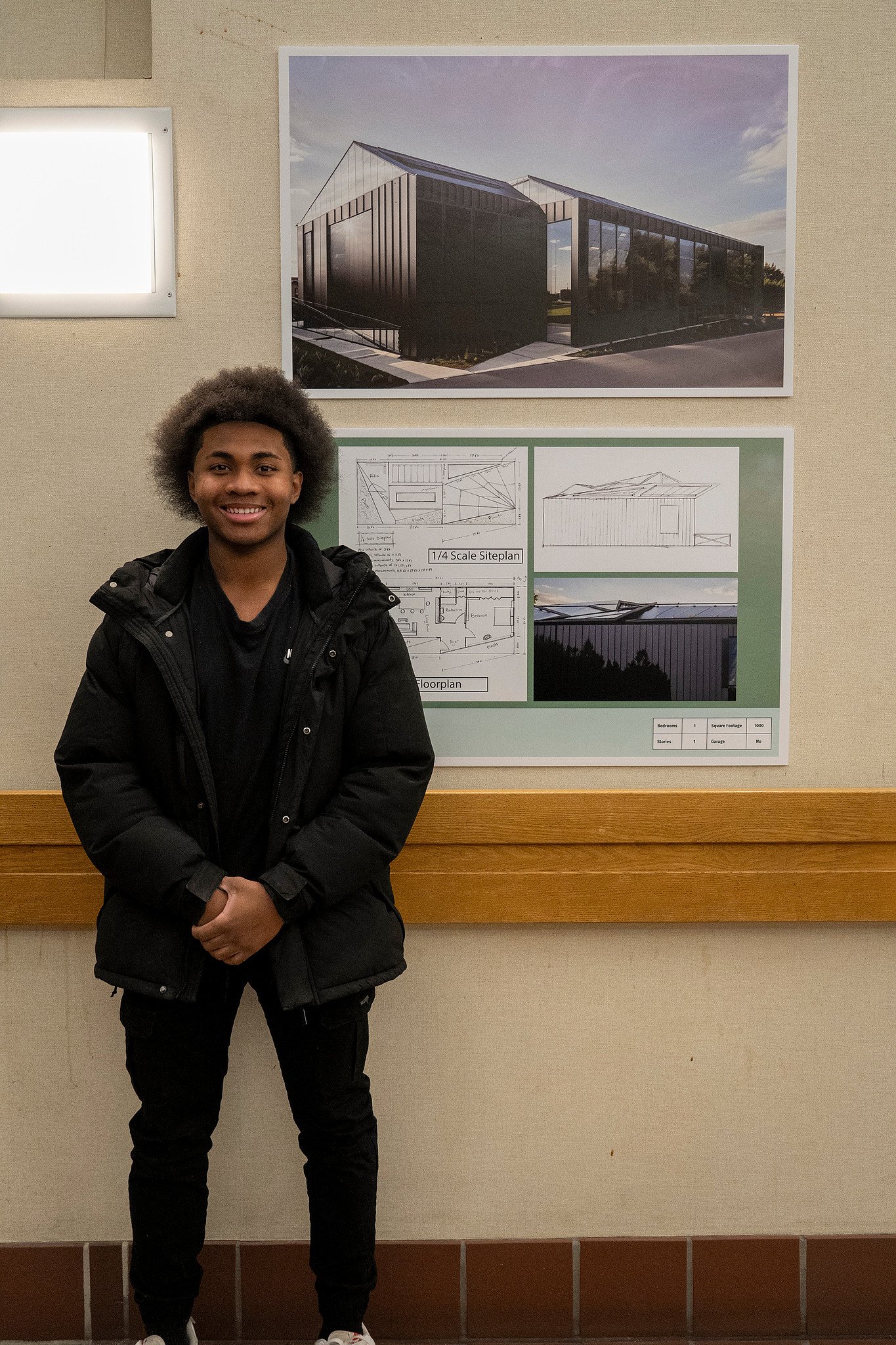
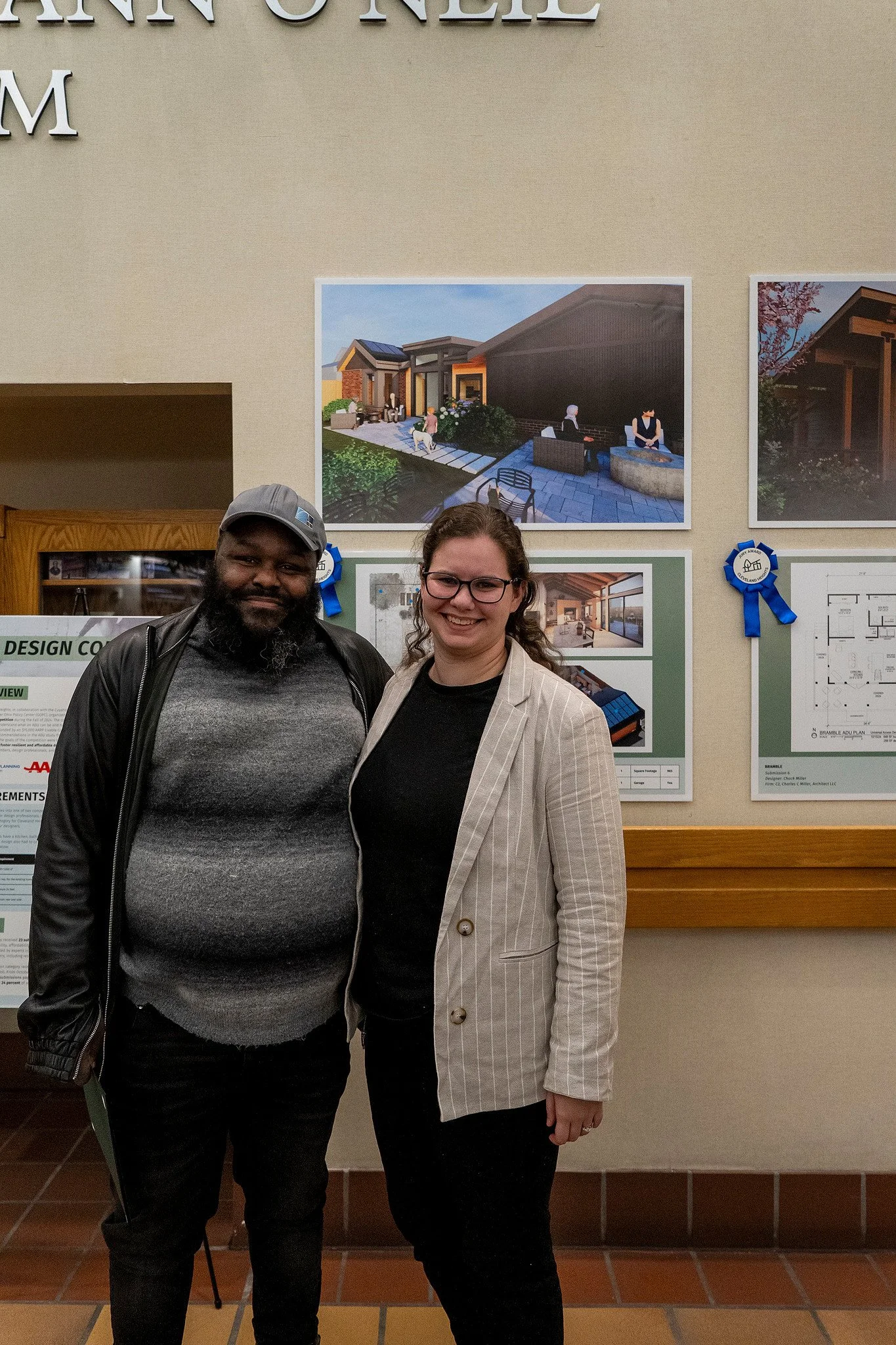
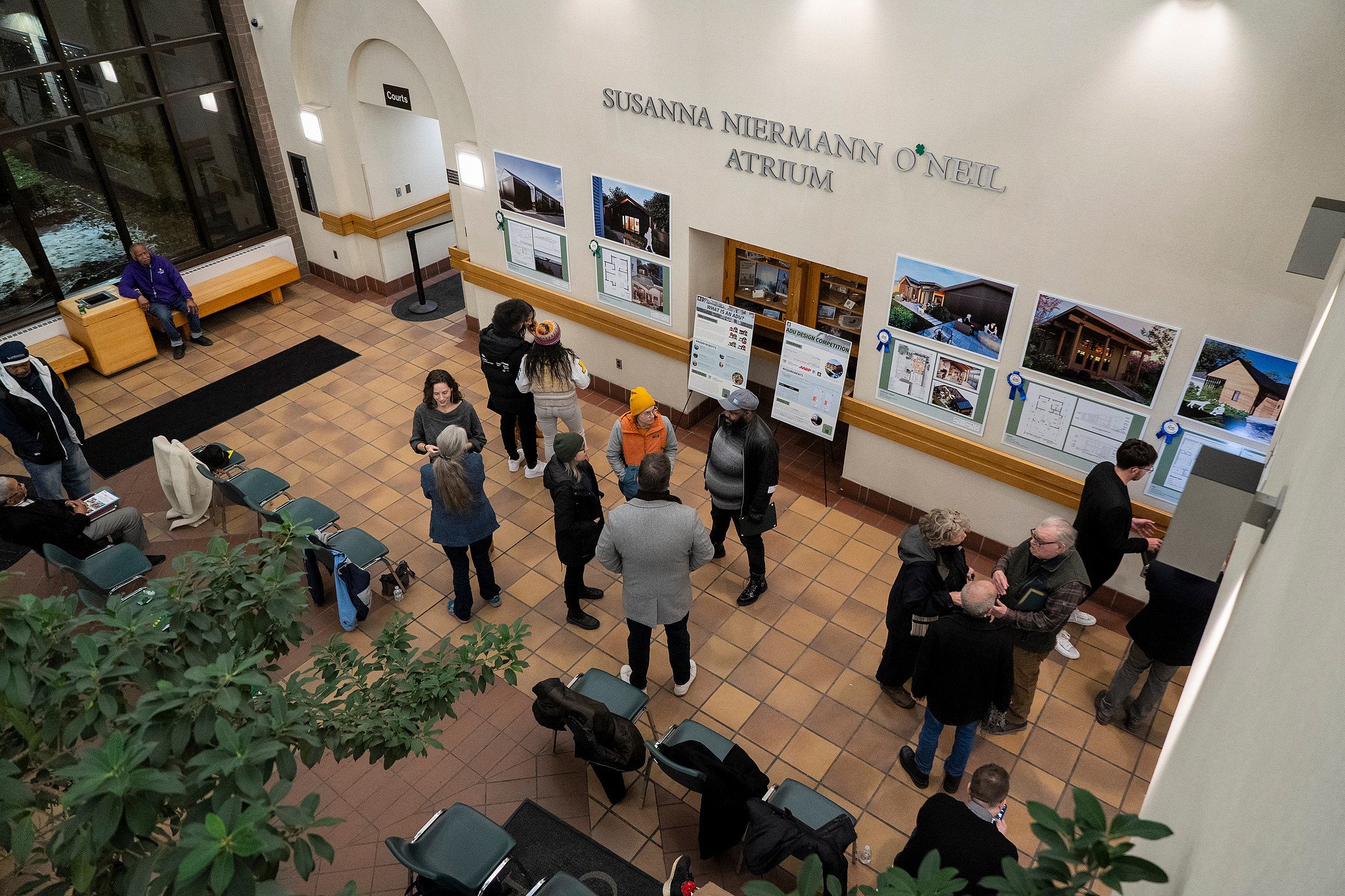
The project presented accessory dwelling unit design competition winners in a way residents could walk through, understand, and respond to. Instead of treating the work as a meeting item, PDF, or online announcement, the showcase used the City Hall atrium as a civic display space.
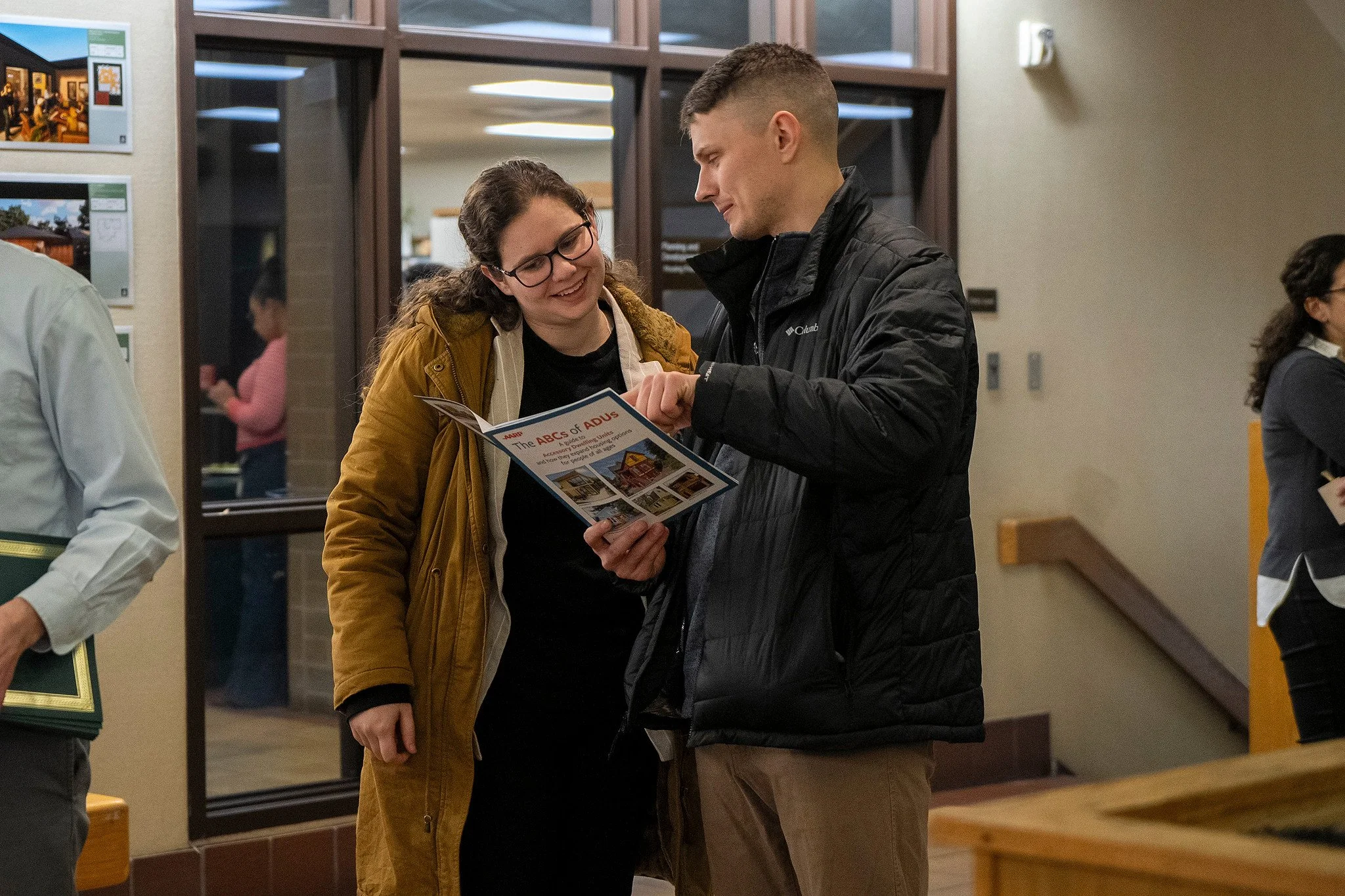
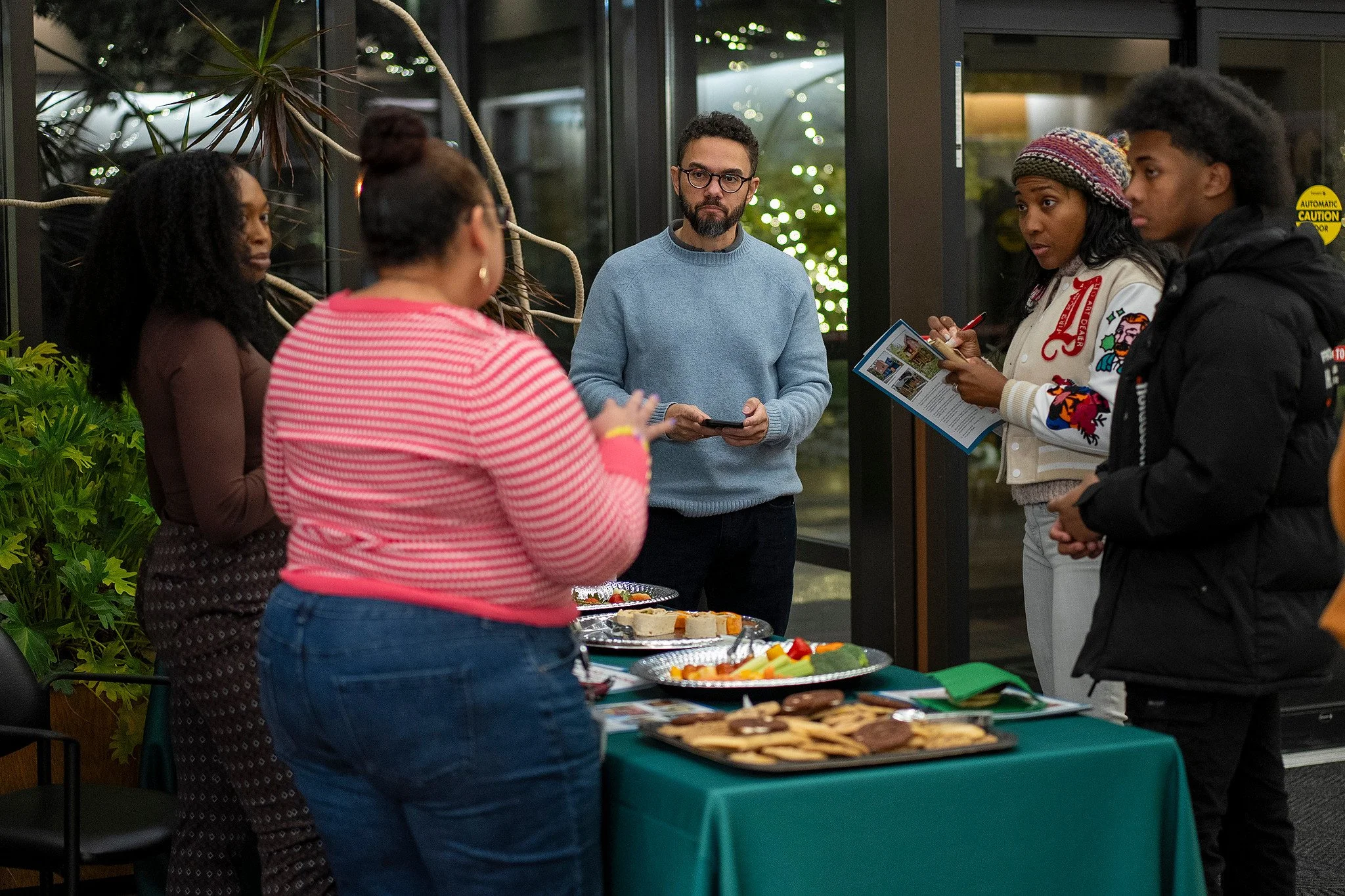
The goal was to make a complex planning topic more visible and more approachable: housing options, neighborhood change, design ideas, public feedback, and policy conversation brought into one physical environment.
This work combined communications strategy, exhibition layout, visual presentation, public engagement, and event support.
It showed how a city can use its own space to make policy feel less abstract.
Project details
Client: City of Cleveland Heights
Role: Creative Direction / Communications Strategy / Exhibition Design
Work: Public exhibition concept, atrium layout, large-format display design, event support, civic engagement materials
Context: ADU design competition and public showcase at Cleveland Heights City Hall
Result: Created a reusable public engagement format for translating policy-driven content into a physical civic experience.
Why this mattered
Public engagement does not always need a new platform, campaign, or expensive outside venue.
Sometimes the better move is to use the public space an institution already has and make the information easier to encounter.
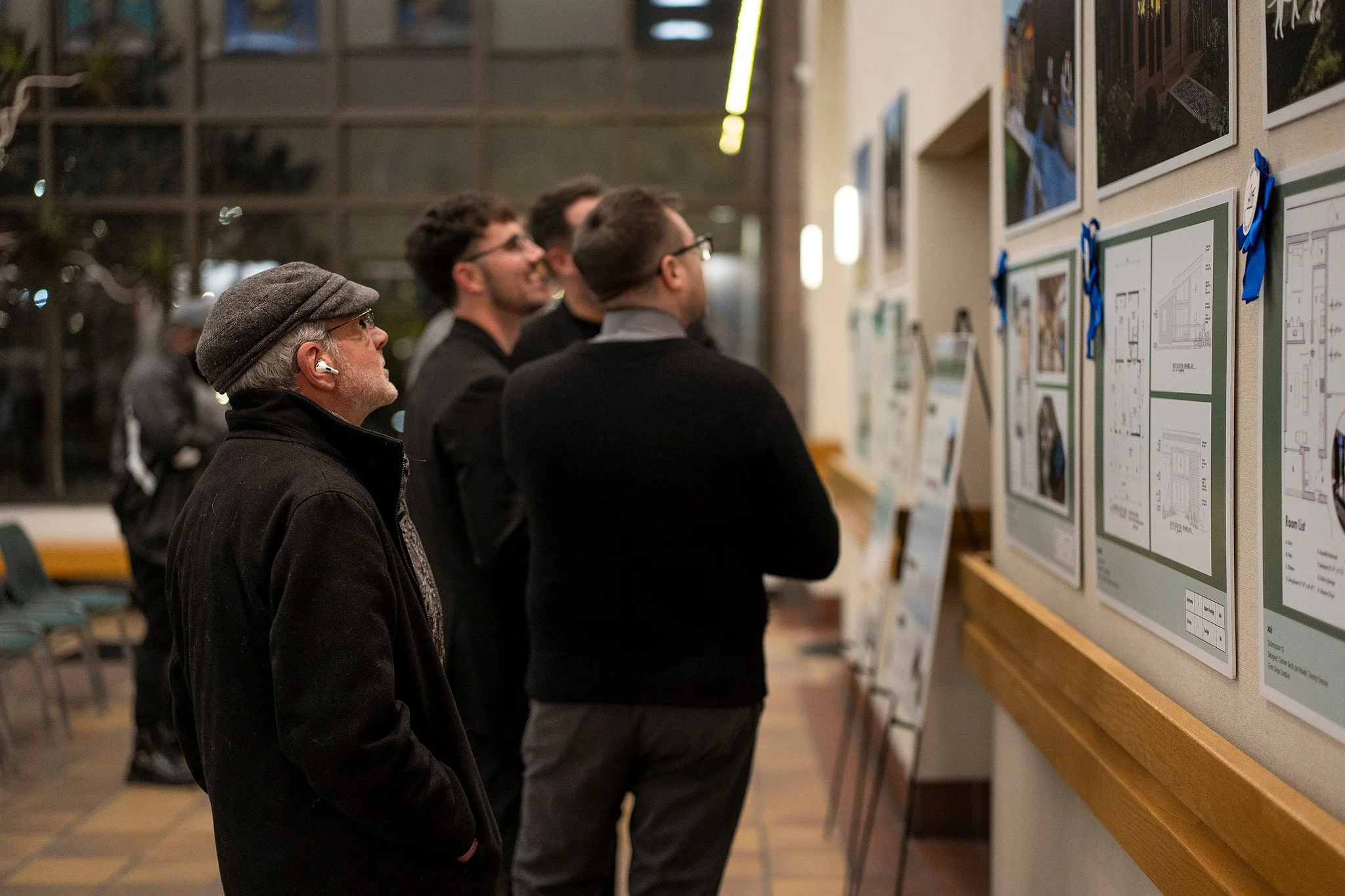
The ADU Design Showcase turned City Hall into more than a building people pass through. It became a place where residents could see ideas, compare options, ask questions, and understand a policy conversation through design.
The value was not only the exhibition itself.
The value was the model: a practical, reusable way to make public information visible, spatial, and easier to engage with.
Need help turning public information, policy, or planning work into something people can understand? → Book a 30-Minute Consult