Frances Eugenia Collazo
Communications Director Candidate
Energy Equity Project
→ Email
→ Call
→ Download Resume
Thank you for taking the time to review my work.
This page shares a focused overview of how I approach communications, design, public information, and institutional trust. My work sits at the intersection of systems and language: making complicated information usable, making public-facing work more organized, and helping people understand what institutions are doing, what they are asking, and what comes next.
Energy Equity Project’s work matters because energy is not abstract. Shutoffs, affordability, public data, utility systems, and regulatory decisions all land somewhere. They land in homes. They land on families. They land on people who are already navigating systems that often speak around them or about them instead of to them.
That is where communications has to do more than announce. It has to translate. It has to organize. It has to make the stakes visible without flattening the people affected by them.
Why This Role
I am interested in this role because it asks communications to carry real responsibility.
This is not simply a content role. It is a structure role, a trust role, and a public accountability role. EEP is working with technical tools, data, policy, frontline partners, regulators, and public audiences. Those audiences do not all need the same message. They need the same commitment expressed in language, format, and cadence that respects where they are and what they need to do with the information.
My strongest work has been in that space: building communication systems that reduce confusion, support leadership, and make public information more useful. I have worked across editorial planning, public-facing writing, design, web content, social media, print materials, internal coordination, and issue messaging. I understand how quickly communications can become reactive when systems are not built underneath it.
I also understand that good design is not decoration. Design decides what people notice, what they trust, what they can use, and what they ignore. For advocacy organizations working with complex information, design can be the difference between a resource that technically exists and a resource that actually reaches people.
Building the First Version
I am especially interested in this role because EEP is hiring its first Communications Director.
First roles require more than content production. They require structure: a voice, a cadence, a workflow, a public-facing standard, and a way to make strong work easier to find, understand, and share.
Much of my work has lived in that space. I have helped turn scattered information into usable public materials, informal processes into repeatable systems, and complex institutional work into language and design people can actually use.
That is the kind of first I know how to support: building the foundation while keeping the work moving.
Personal Connection to Energy Instability
My connection to this work is not only professional.
I grew up in the Caribbean and lived in Puerto Rico and St. Thomas, U.S. Virgin Islands, where storms, power loss, unstable infrastructure, and unreliable public systems are not abstract policy issues. They shape daily life. They decide what food spoils, what medicine stays cold, whether children can sleep safely, whether families can communicate, and how long people are expected to wait for systems to recover.
I experienced Hurricanes Hugo and Marilyn up close. After Marilyn, my high school was without power for my entire senior year. That kind of instability changes how you understand infrastructure. It is not just a technical system. It is the condition underneath everything else: education, safety, health, family routines, public trust, and whether a community can recover with dignity.
I have also seen how uneven protection is.
I have also seen how uneven protection is. At one point, I lived in a home with a whole-house generator that kicked on within minutes. That backup helped, but it did not erase the instability around us.
That contrast stayed with me. If a family with backup power can still feel the stress of an unstable system, then families without that buffer are not simply inconvenienced. They are placed in danger.
That lived experience informs how I think about communications. People facing instability do not need language that hides the problem. They need information that is honest, usable, timely, and respectful of what they are already carrying.
Selected Work
A curated set of work that reflects how I build communications systems, translate complex information, and use design to make public-facing work more usable.
These samples show the kind of judgment this role requires: structure, editorial direction, public trust, visual organization, and the ability to make institutional information easier to understand without making it less serious.
-
Editorial Direction, Public Information & Visual Structure
Publication and public-information work designed to make complex updates more readable, organized, and useful.
-
I create communication systems that reduce confusion, speed decision-making, and create consistency across departments. This includes templates, routing structures, response cadences, and process frameworks that turn reactive communication into organized, predictable operations.
→ Public Records Response — Proposed SLA (City of Cleveland Heights)
-
I develop structured, steady, fact-based messaging for challenging or high-pressure moments. My approach emphasizes clear roles, aligned information flow, and update cadence that keeps residents informed without escalating tension. The goal is always to maintain trust and reduce confusion during sensitive periods.
→ City News Sept, 26
→ City News Sept, 19
→ City News Sept, 12
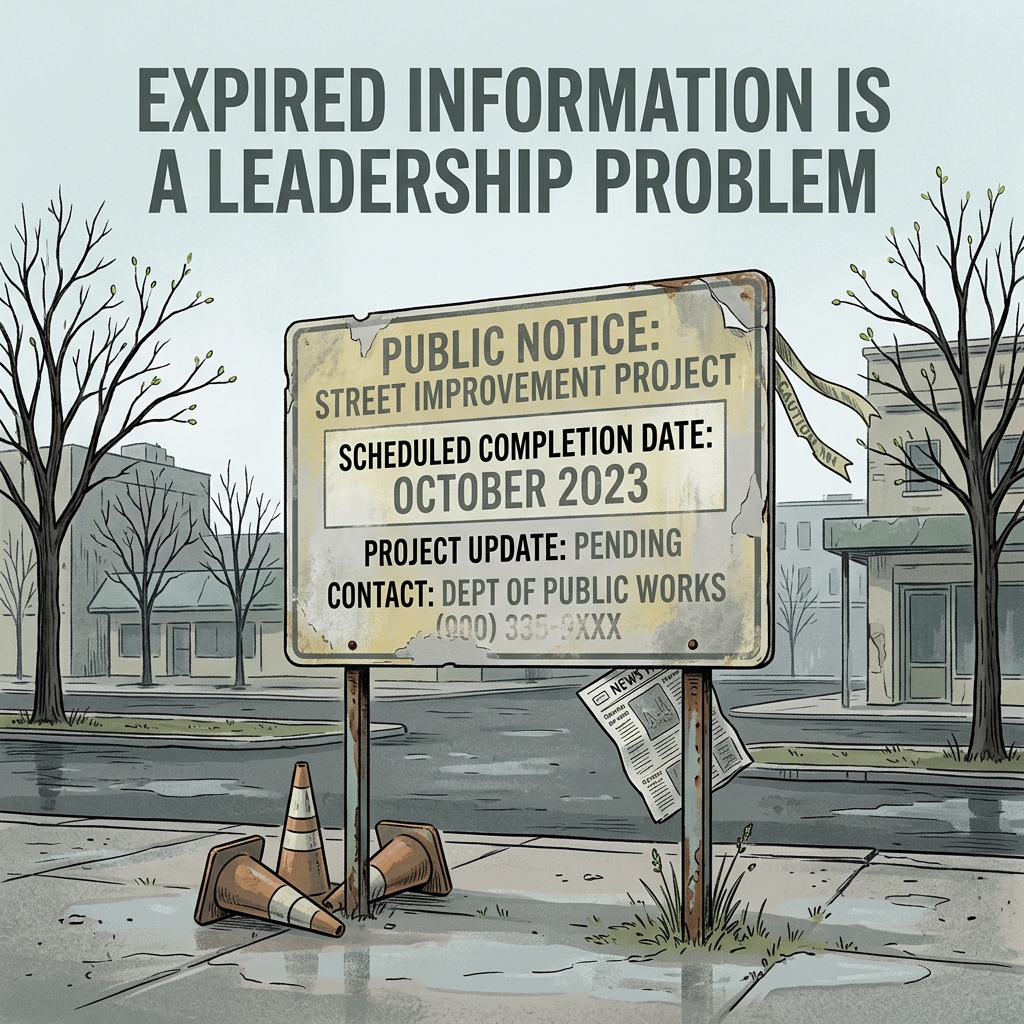
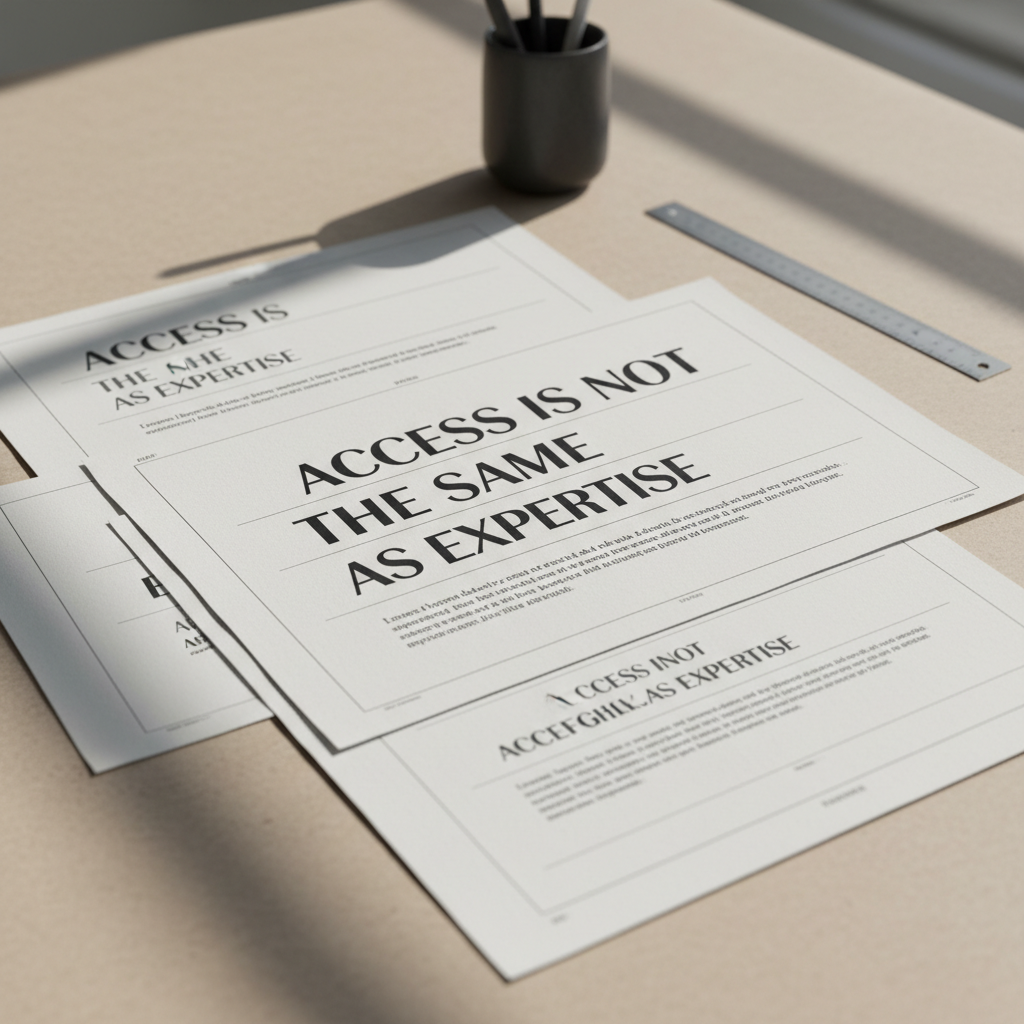
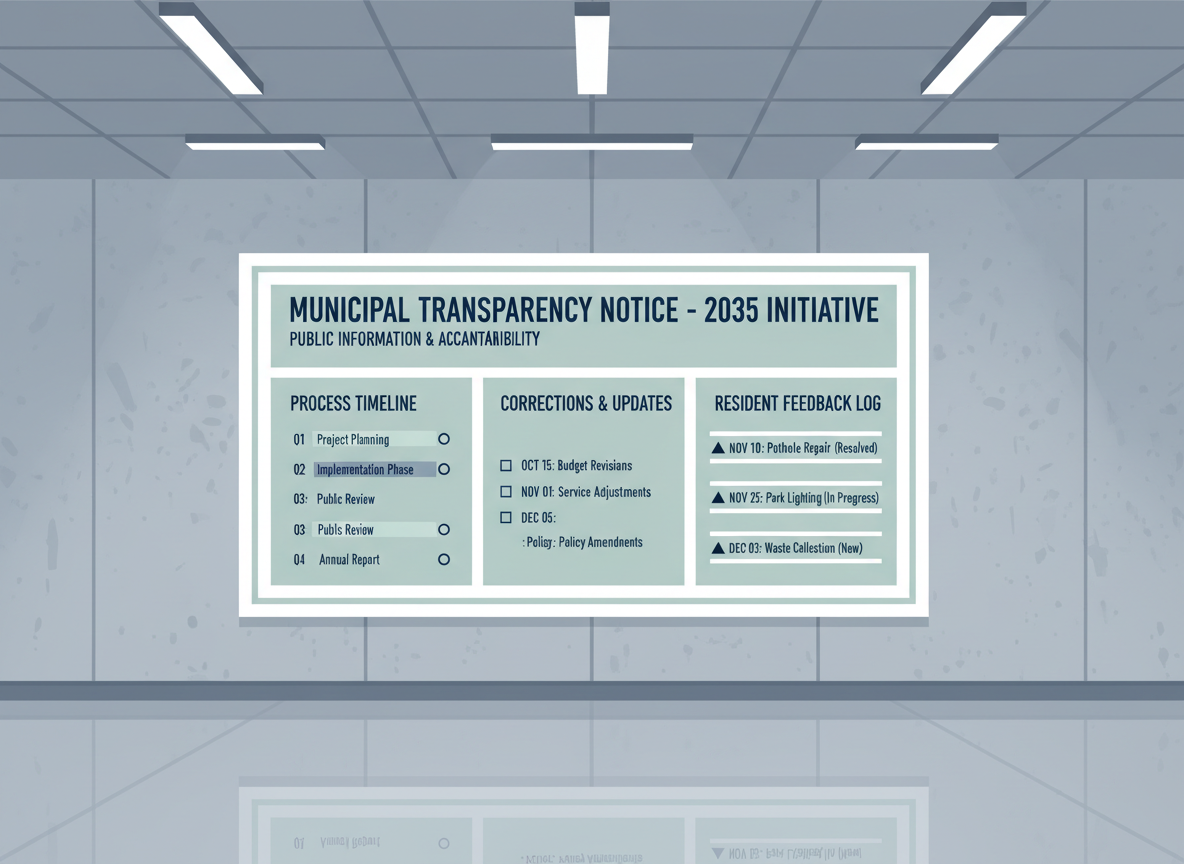
Studio Writing on Communication, Systems, and Public Trust
Selected writing that reflects how I think about communication systems, public responsibility, access, and institutional trust.


About MeI am a communications director, public information leader, and designer focused on making complex institutional work easier to understand, organize, and use.
My work sits between strategy and execution. I build communication systems, write public-facing language, shape editorial structure, direct visual materials, and help leaders move information with more discipline and less confusion. I have worked across municipal government, public-facing institutions, media, cultural organizations, real estate, retail, and independent consulting.
I am especially interested in work where communications has real consequences: public trust, access to information, crisis response, infrastructure, community impact, and the systems people depend on when things become unstable.
I bring lived experience, professional range, and a practical understanding of what it takes to build communications from the ground up.